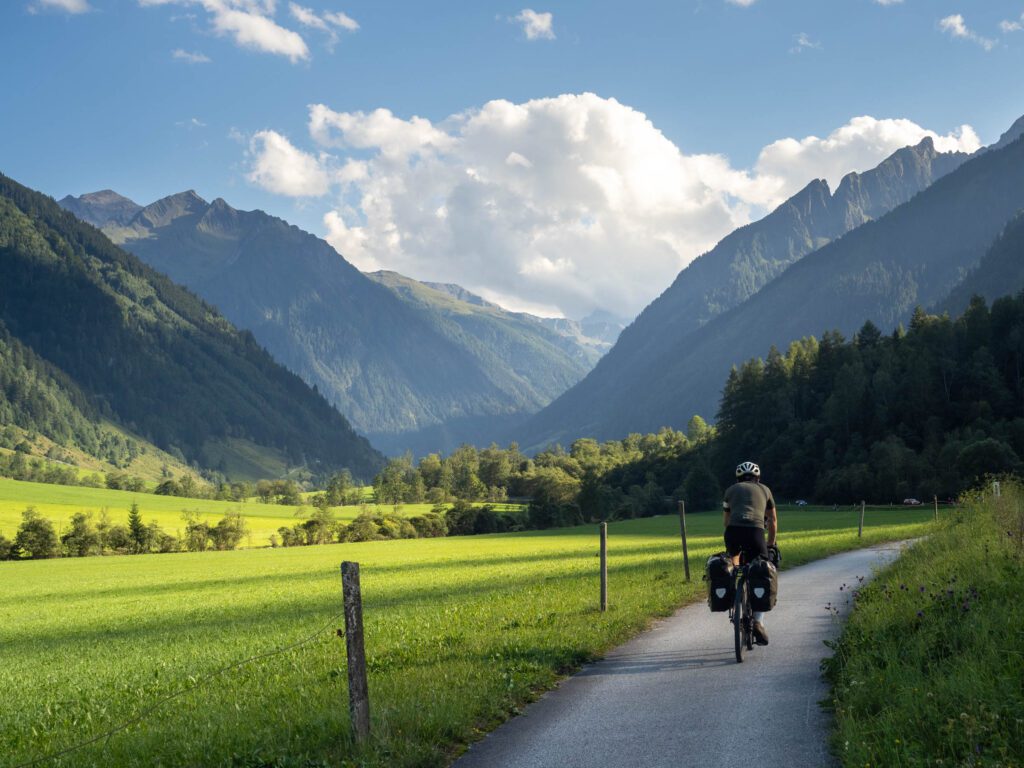
Austria is a great place to go cycling. It’s well connected to most European countries and offers long-distance cycle routes, good infrastructure, and amazing views for beginner cycle travellers, seasoned bikepackers, and sporty cyclists. I cycled through Austria twice—first in 2018, and recently in 2026—and here is some advice to help you plan your cycle tour in this Alpine country.
Is Austria good for bicycle touring and bikepacking?
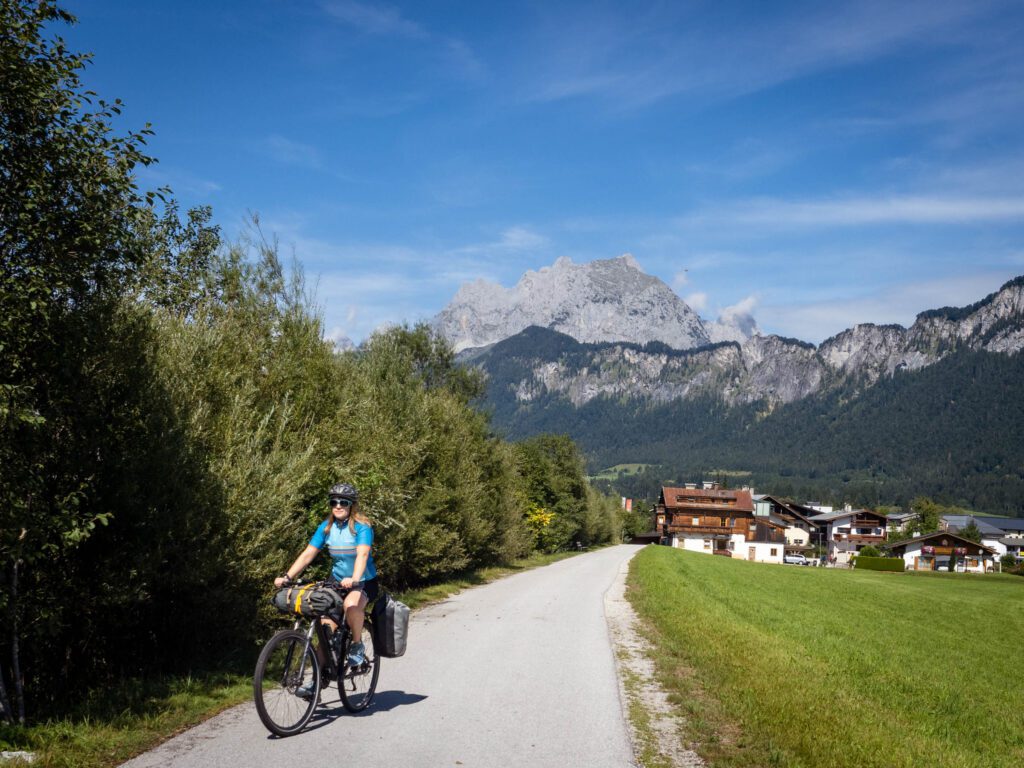
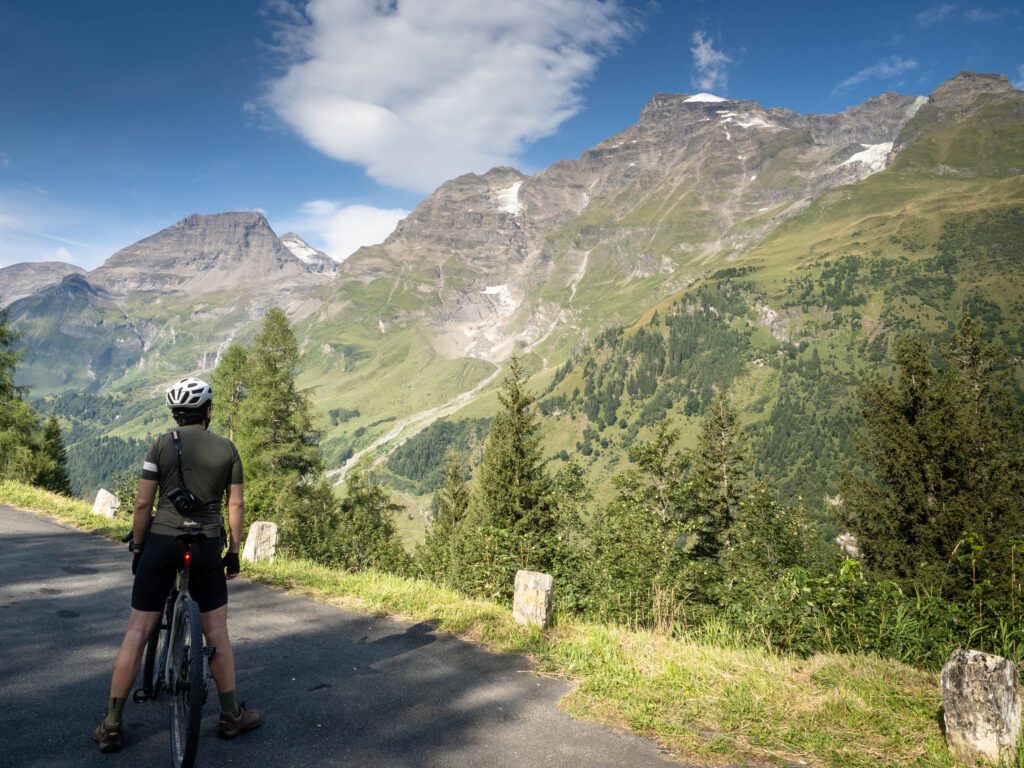
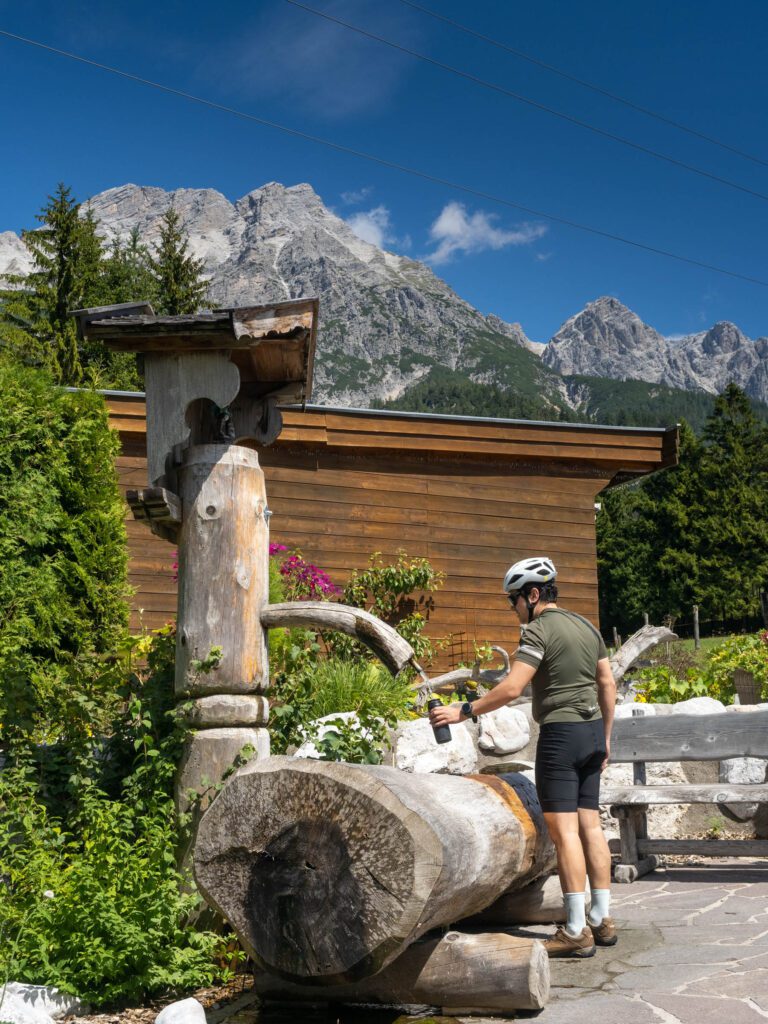
Most people think of Austria as a skiing destination. But in summer, this Alpine country can become a paradise for another type of tourist: the cyclist. With over 20,000 km of safe cycle traffic network and excellent tourism infrastructure, planning your journey is straightforward, and the Alpine landscapes and picturesque towns reward every kilometer of pedalling.
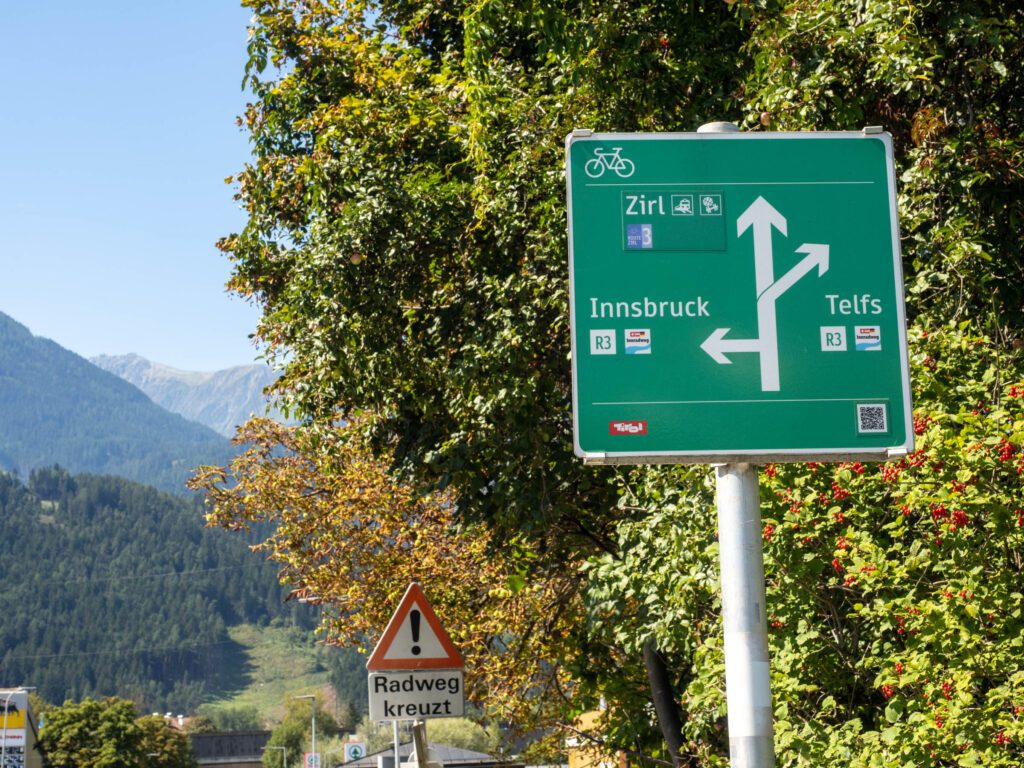
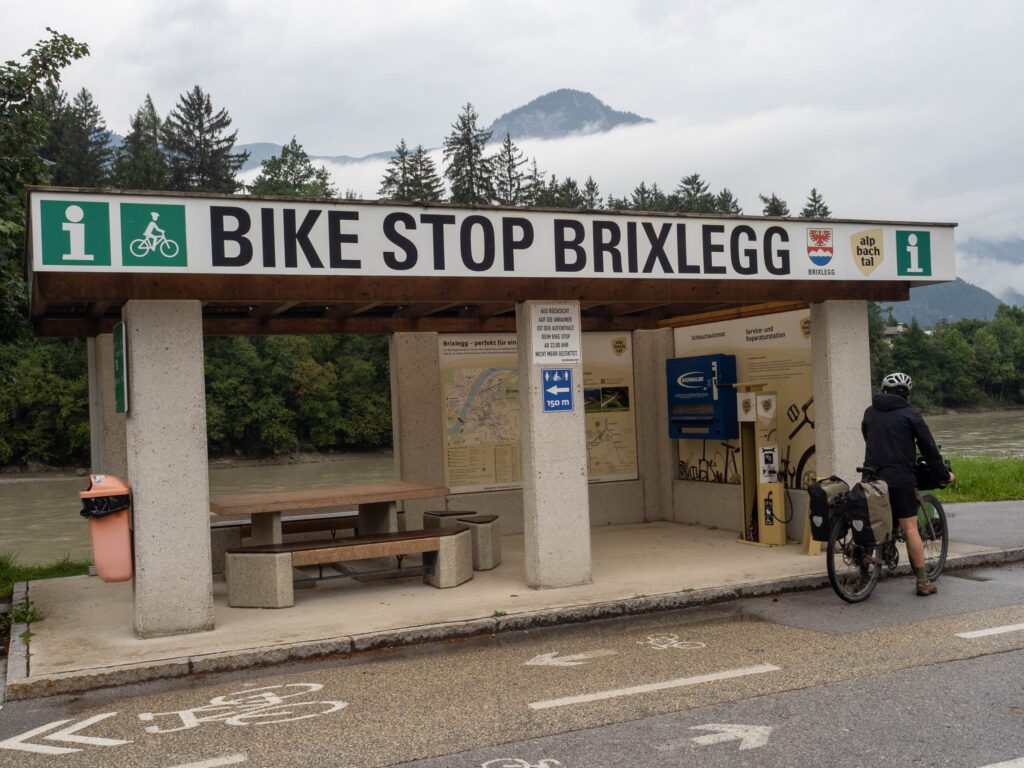
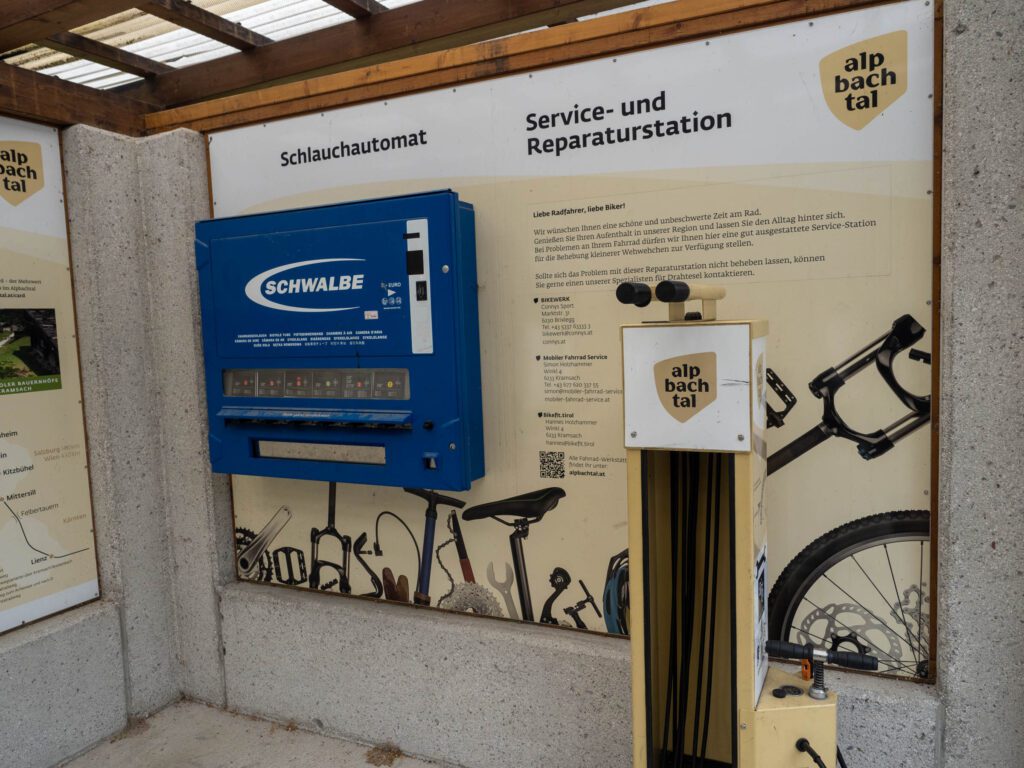
The biggest downside of cycling in Austria is the prices, especially in high season. Hotel stays can quickly drain your wallet, while wild camping is illegal and the network of WarmShowers or WTMG hosts is fairly scarce, compared to other European countries.
Another limitation is the law that forbids cycling on the forest roads and trails, unless they are specifically designated as cycle routes. So if you’re a bikepacker looking for an off-the-beaten-track adventure, you might feel quite restricted in Austria.
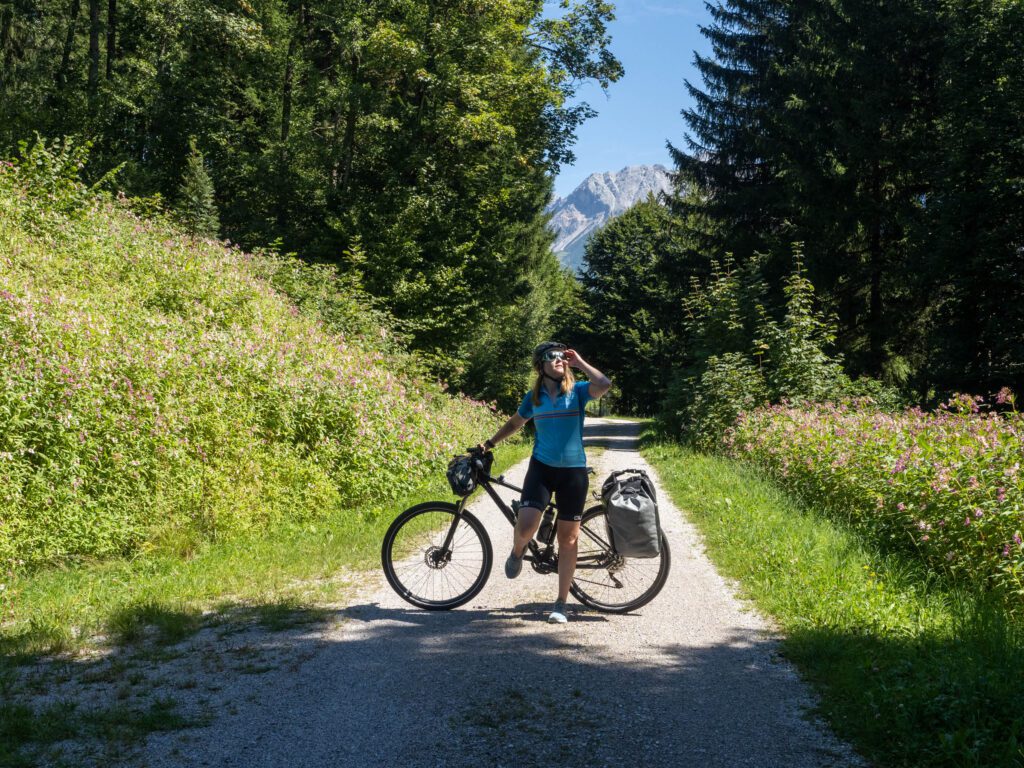
Remember that the weather (especially in the mountains) can be unpredictable. Bring good waterproof gear and warmer clothes, even if you’re travelling in the midst of the summer.
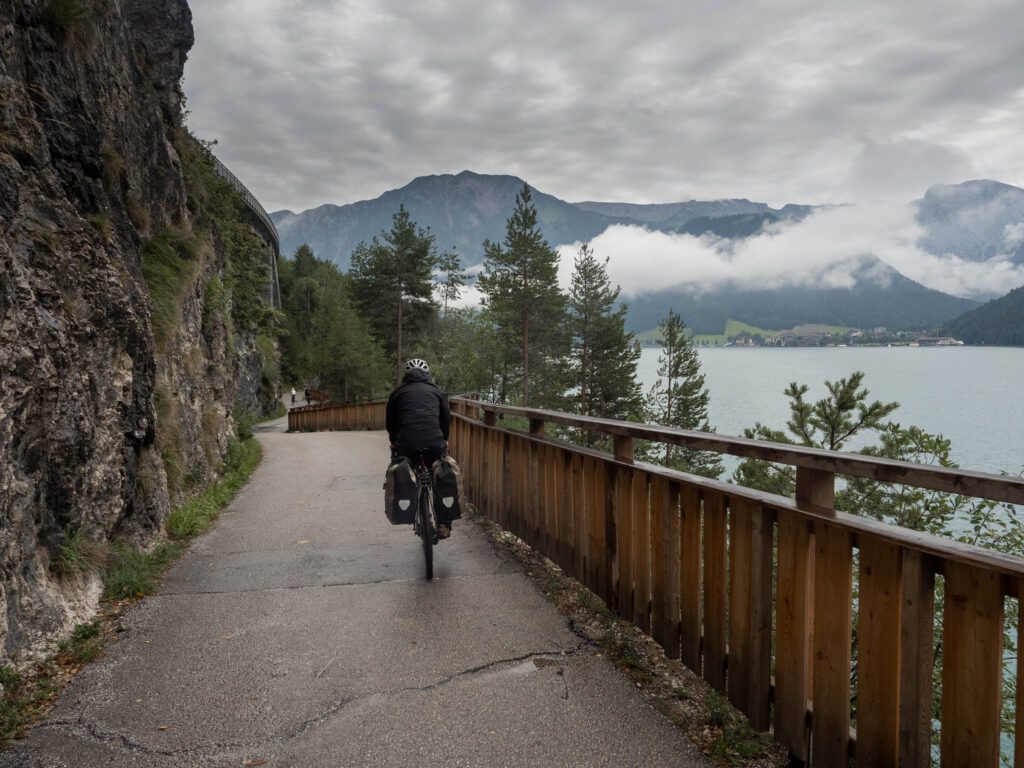
The best long-distance cycling routes in Austria
Alpe-Adria Route
The Alpe Adria Cycle Route is on many cyclists’ bucket lists for good reason. This 415 km trail is one of Central Europe’s most scenic routes, and it’s accessible to any reasonably fit cyclist.
Most cyclists start in Mozart’s city, Salzburg. From there, the path takes you through valleys surrounded by the monumental peaks of the Hohe Tauern mountain range and the picturesque rural landscapes of Carinthia, crossing into Italy, and finishing at the Adriatic coast in Grado.
The Alpe-Adria route is known for its excellent infrastructure. A significant chunk of the trail follows an old railway, and the numerous tunnels and bridges make cycling through the mountains less challenging, yet still very exciting. There are still some major climbs (especially in the first half of the route), so you need to be in decent cycling shape (or hire an e-bike for some electrical assistance on the hills).
VeloPlannerDrava Cycling Route
The Drava Cycling Route (Drauradweg) is a cross-border adventure from Toblach (Dobbiaco) in Italian South Tyrol, through East Tyrol and Carinthia in Austria, the Julian Alps in Słowenia, all the way to the Croatian town of Varaždin. The Austrian section is mostly flat, as it sticks to the River Drava closely. Most of the time you’ll cycle on low-traffic local roads and bike paths.
The total length of the Drava Route is 505 km. This route is a great introduction to biking in the Alps. If you start in Toblach and cycle east, you’ll have more descents than climbs, so even less sporty cyclists can handle it.
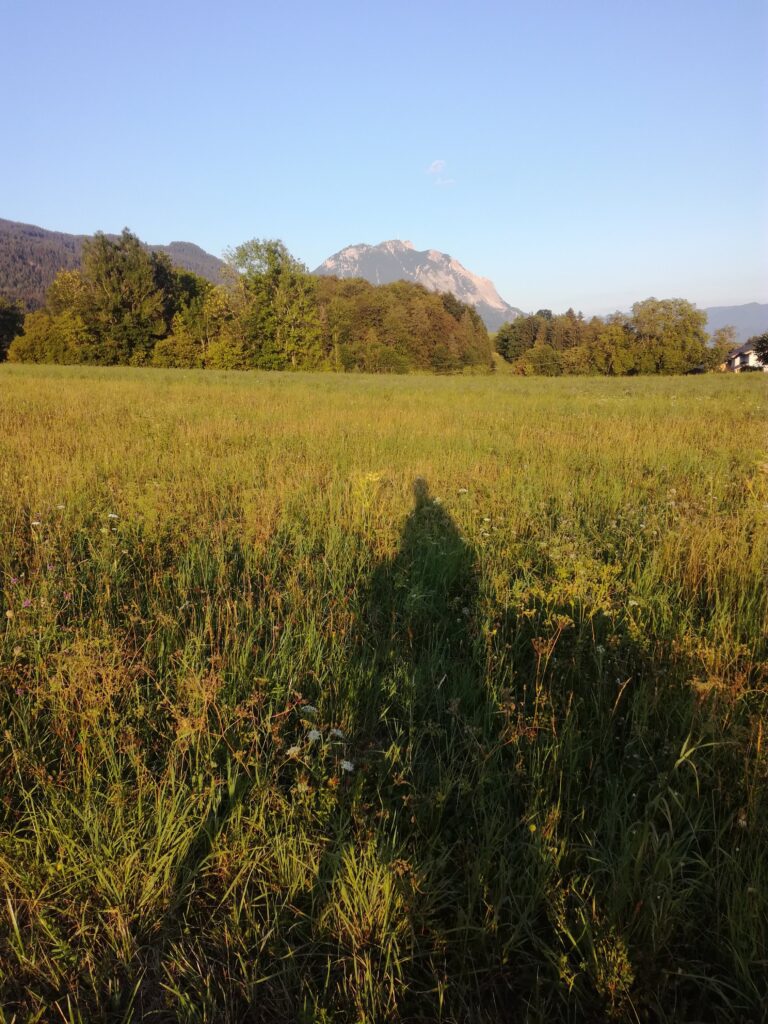
Inn Cycle Route
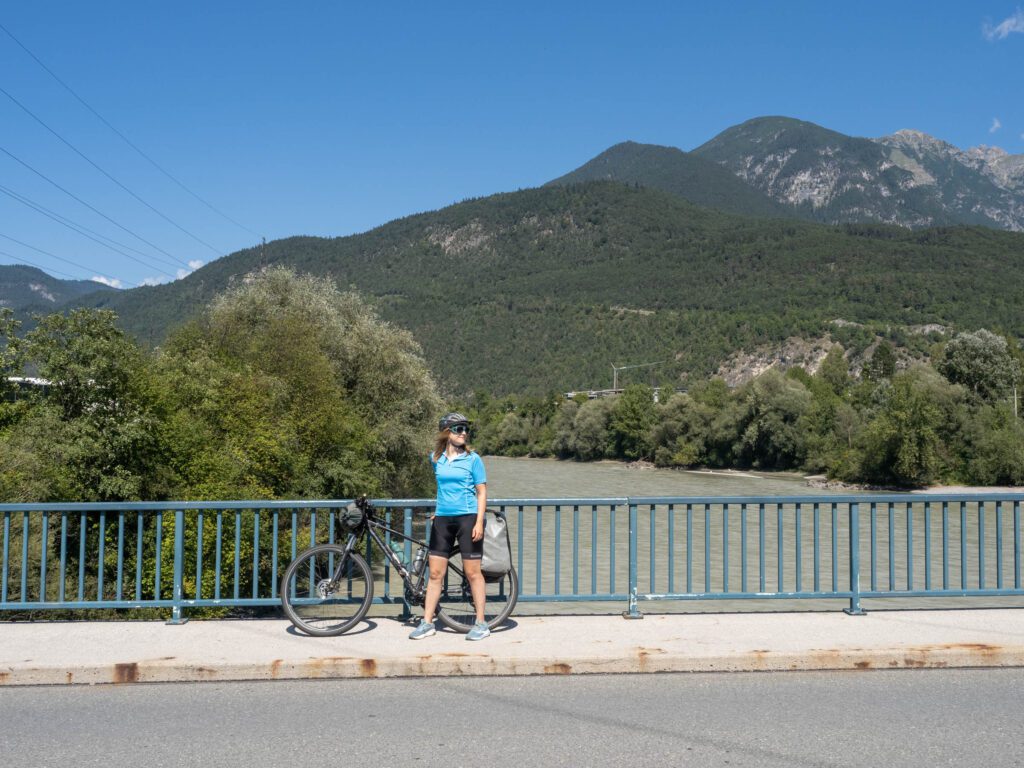
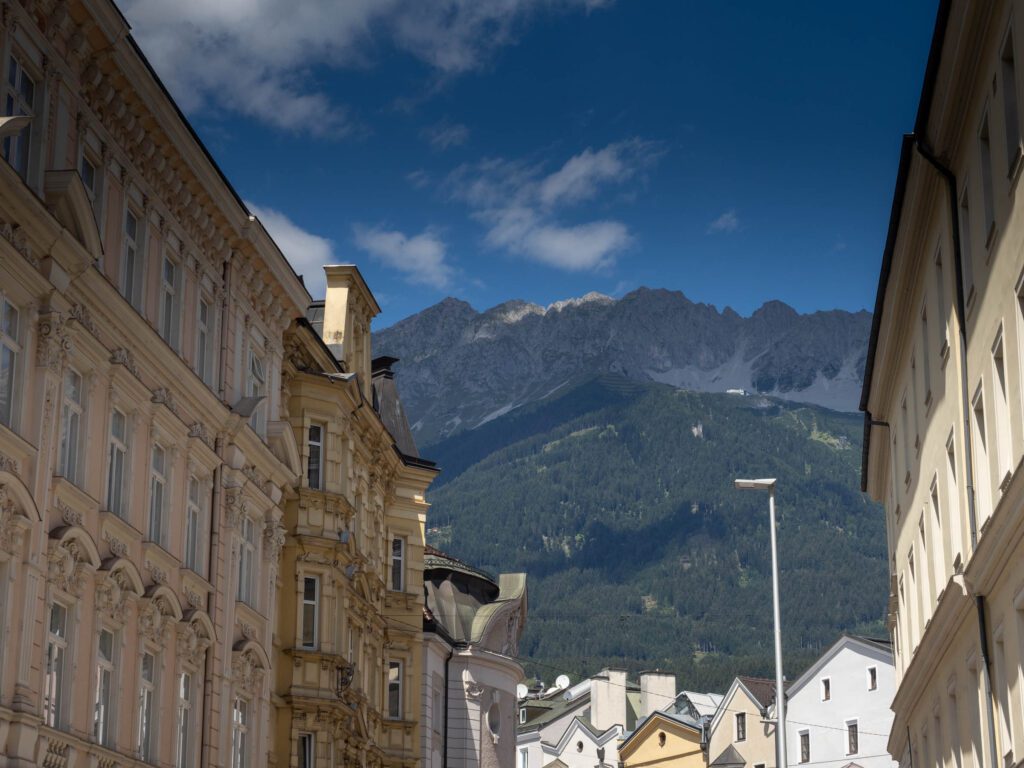
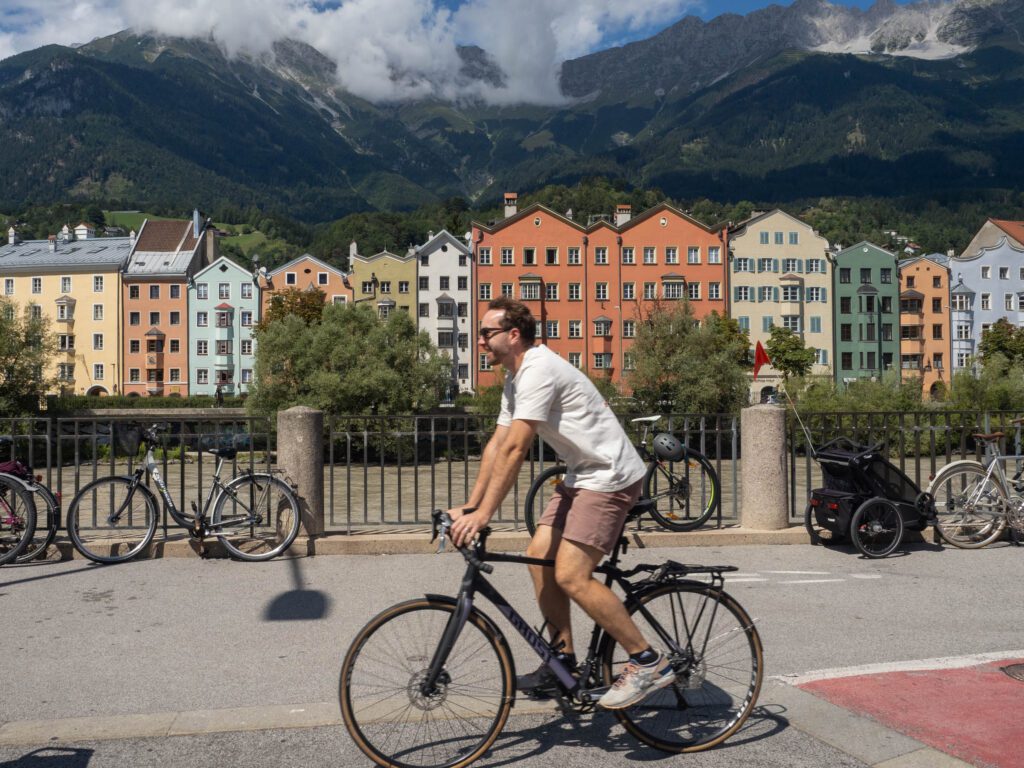
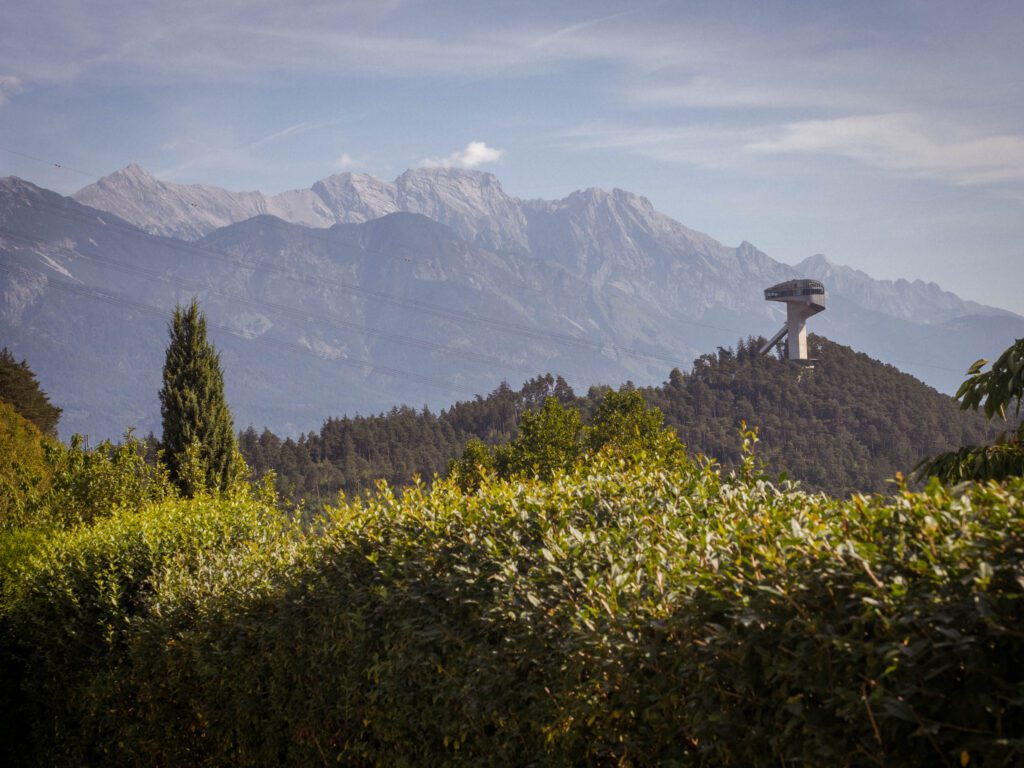
Following the River Inn, the Inn Cycle Route stretches between Passau in southern Germany, the capital of Austrian Tirol, Innsbruck, and the Swiss luxury resort St. Moritz. The landscapes along this 520-km-long trail are absolutely breathtaking: wide valleys, charming old churches, and rugged mountain peaks make for an unforgettable experience. The only downside is that some sections of the trail (especially west of Innsbruck) run parallel to the highway, and the traffic noise somewhat spoils the experience.
In Passau, the River Inn flows into the Danube, and you can continue your ride on one of Europe’s most popular cycle routes: the Danube Cycle Route.
polskie Velo Baltica
The Danube Cycle Route is a part of EuroVelo 6, one of the most-ridden EuroVelo routes. It crosses through cities like Linz and Vienna, and lets you explore the less mountainous part of Austria.
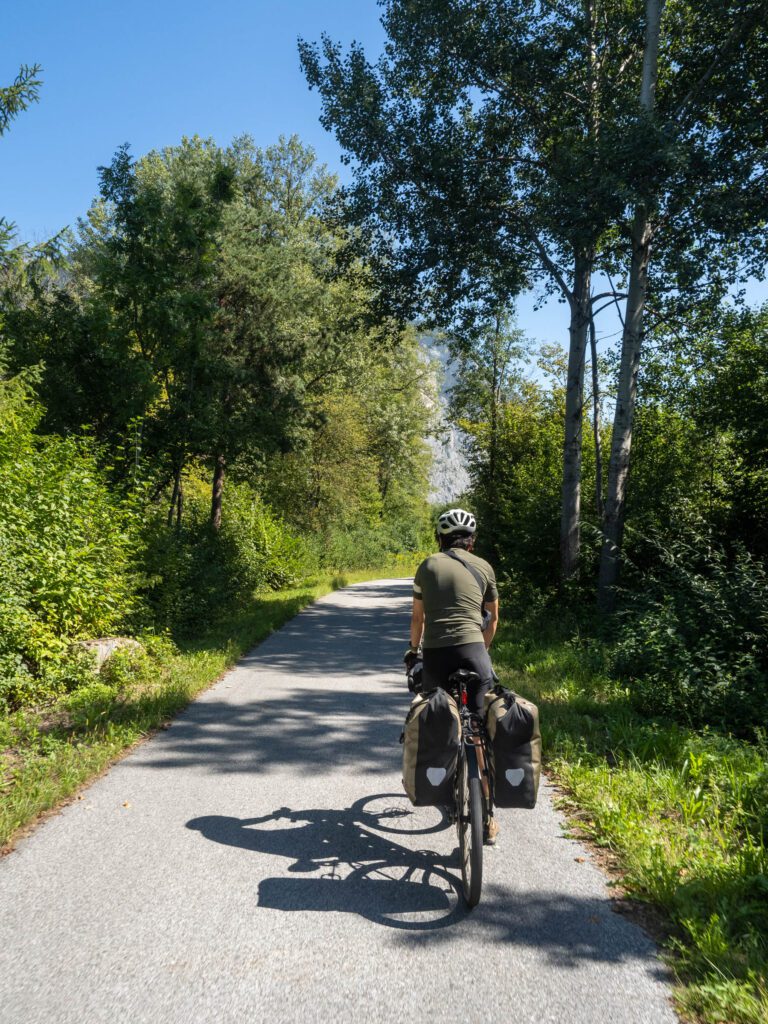
The infrastructure on the Austrian part of the Danube Cycle Route is excellent, and most of the trail is dedicated cycle paths, making it a great route for less-experienced cyclists. If you’re new to cycle touring, consider the Danube Cycle Route as your first multi-day bike adventure.
VeloPlannerBikepacking in Austria
Cycling on forest roads and trails (unless they are marked as cycling paths) is illegal in Austria. Which is a pity, because the country looks like it’s made for gravel cycling and bikepacking. Wild camping is also illegal.
Luckily, you can find a few bikepacking routes with more gravel, where you don’t need to worry about illegally entering forest roads.
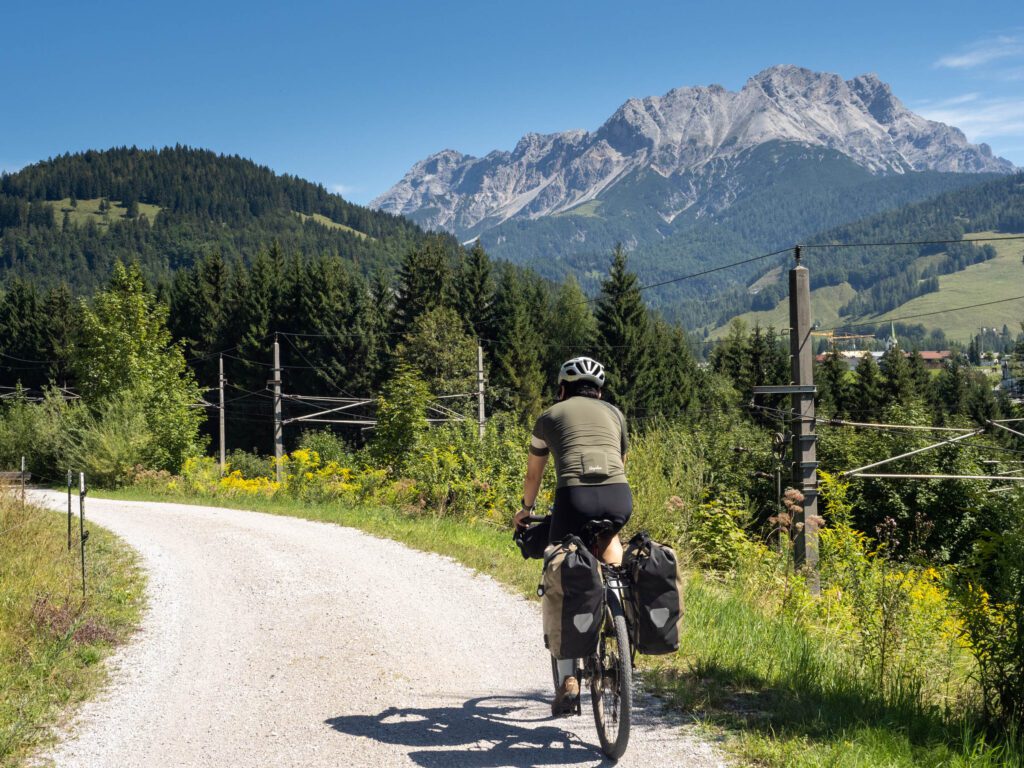
One of the coolest bikepacking routes in Austria is the Reichraming Ramble, a weekend adventure through the forests of Kalkalpen National Park, where you can even legally camp in your tent at designated bivouac spots.
Another great bikepacking route is the Zillertall Loop. It runs through some of the most stunning mountain landscapes of Austria and Italy, and more than half of it runs on gravel.
If you are interested in a longer bikepacking route, check out the Wossa trail. This 570 km route is less adventurous than the Reichraming Ramble or Zillertall Loop (you’ll ride on asphalt for more than 350 km), but it doesn’t lack stunning nature, beautiful views, and some properly challenging climbs.
Laws for cyclists in Austria
- A helmet is mandatory for children under 12 years old (or under 14 on an e-bike).
- You must use cycle paths (Radweg) if there is one.
- Your bike has to have a bell, two working brakes, a front and rear light, and front and rear reflectors.
Bike rental in Austria
Rent a bike in Vienna
- Austria Trails offers good quality gravel bikes for 30-40 euros/day. They also have road bikes, mountain bikes, and touring e-bikes.
- Pedal Power rents out racing, touring, gravel, and electric bikes. They also have bikes for children and trailers.
- GKMTB has mountain and gravel bikes for hire. They also offer e-mountain bikes.
bike Rental in Innsbruck
- Crazy Bikez is a bike rental in Innsbruck offering high-quality bikes (road, gravel, MTB, touring, and e-bikes).
- Die Boerse rents Specialized bikes of all types (road, gravel, MTB, touring, and e-bikes)
Rent a bike in Salzburg
- Avelo Salzburg has trekking, gravel, racing, and touring bikes. They offer special “touring packages” for seven days (bike lock, helmet, panniers, and repair set are included).
- Velocebike rental is a great option for bike rental for the Alpe Adria Cycle Route. You can pick up your bike in Salzburg and return it in Grado.
Bicycles on Austrian trains
Bringing a bike on a train can be quite a pain. Figuring out which train allows bikes on board, getting the loaded bike to the platform with no elevator – sometimes the train ride becomes the most frustrating and exhausting part of the journey.
But in Austria, taking the bike on the train is usually quite unproblematic, at least in my experience.
We took the InterRegio train between Zell am See and Innsbruck, and a Nightjet train from Innsbruck to Amsterdam. Both trips were a positive experience.
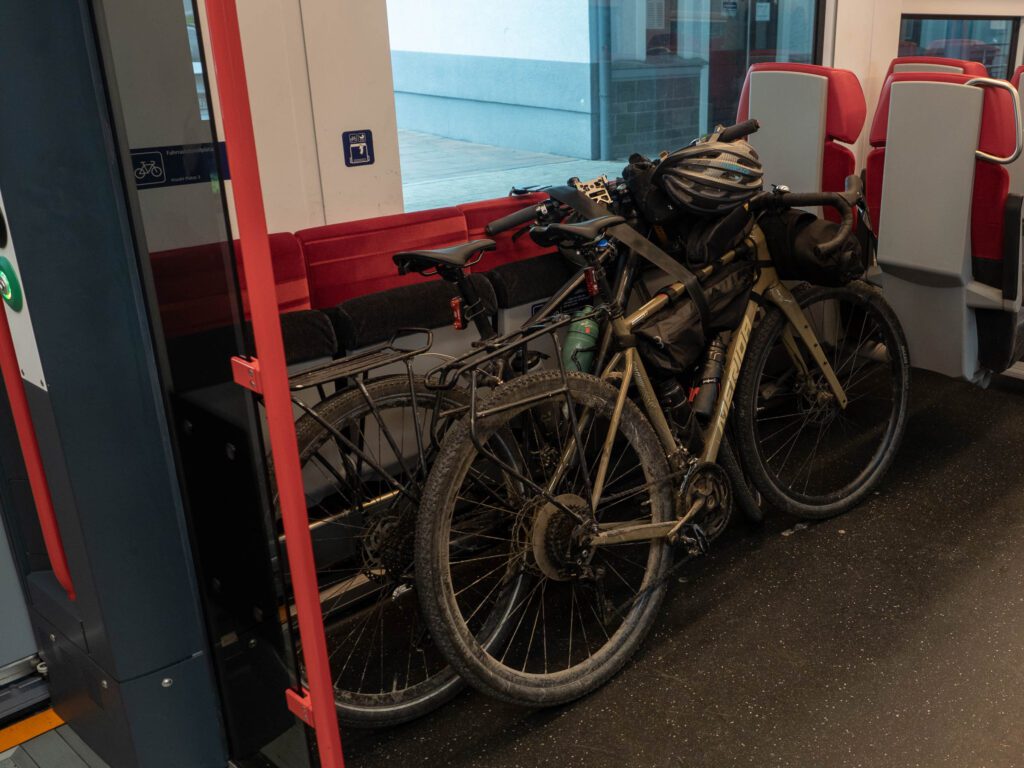
On the IR train from Zell am See to Innsbruck, almost every car had bicycle spaces, so even during high season or on weekends, it shouldn’t be a problem to take your bike. The trains are low-floor, so boarding was super smooth. There were no hooks to hang the bikes – just a dedicated space next to the wall, with straps to secure bikes. Both train stations had large elevators, which made getting to the platform convenient.
You can buy the bike ticket online or at the ticket machine at the station.
Bikes on the ÖBB NightJet
On the NightJet, our bikes were assigned specific spots. In the carriage, there was space for six bikes, grouped by two. We bought our two tickets together, but to our surprise, our bikes were not assigned spots next to each other. I thought it would be better if our bikes were together, especially since we planned to lock them for the night. I consulted the conductor about it. At first, he said the spaces were assigned based on where each passenger was travelling to (those getting off the train first would get the spaces closest to the exit). But as I explained our situation, he agreed that we should place our bikes next to each other.
The only issue with the bicycle car is three steps leading to the bike spots. It’s not a big issue, but it would certainly be more accessible if everything were on the same level.
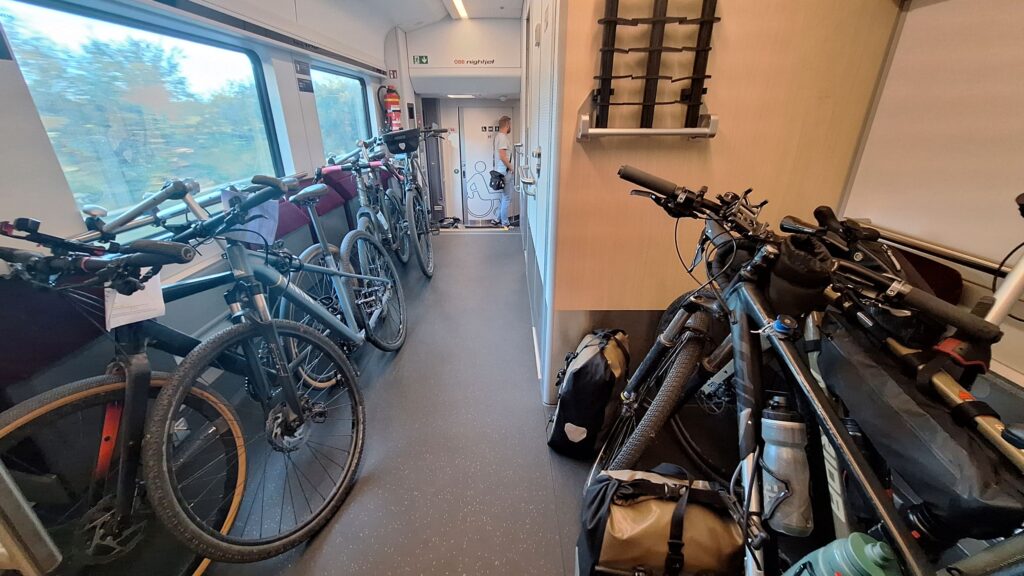
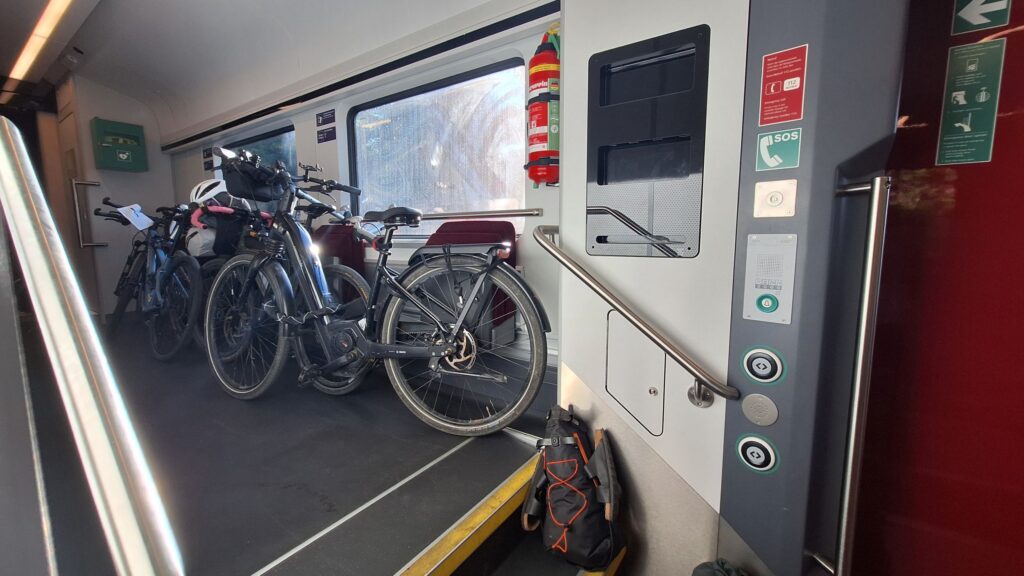
The number of bike spaces on the NightJet is quite limited (6 bikes on most lines), so it’s best to book your trip a few weeks in advance, especially if you’re travelling on a weekend in the high season. We travelled on a weekday in August, and we managed to buy the tickets less than 3 weeks before the trip. The bike ticket costs 9,90 euros, and you can buy it online.
Rules
According to ÖBB’s website, bikes cannot be larger than 185x110x60 cm and the max. wheel diameter is 28 inches (with tire width up to 4.2 cm).
I was a little worried about this rule, since I ride a mountain bike with 29’’ wheels and a wide handlebar, but nobody had any issue with it.
With many different railway operators in Austria, the rules and prices for taking the bike on board can vary. Before planning your route, check out this useful summary by the Radlobby.
Cyclist-friendly accommodation in Austria
Bett & Bike Certified Hotels
Austria’s tourism is well developed, with plenty of hotels, B&Bs, and holiday homes, especially in popular cycling regions such as Carinthia, Tirol, or Vorarlberg. To find cyclist-friendly accommodation, I recommend looking for places marked as Bett+Bike-certified.
All guesthouses and hotels with the Bett+Bike label provide locked, secure space to store bikes, a drying room for clothes and equipment, breakfast or cooking facilities, and a basic bike repair kit. They also need to accept guests for one night.
Use the Bett & Bike Layer on Veloplanner to find cyclist-friendly hotels in Austria.
Many hotels and hostels in ski resorts have storage and drying space, even if they don’t have the Bett+Bike mark (we had a great experience at the Alpking Hostel in Ellmau i Hotel Schieferle near Innsbruck). However, it’s worth contacting reception beforehand and letting them know you’re travelling with a bike.
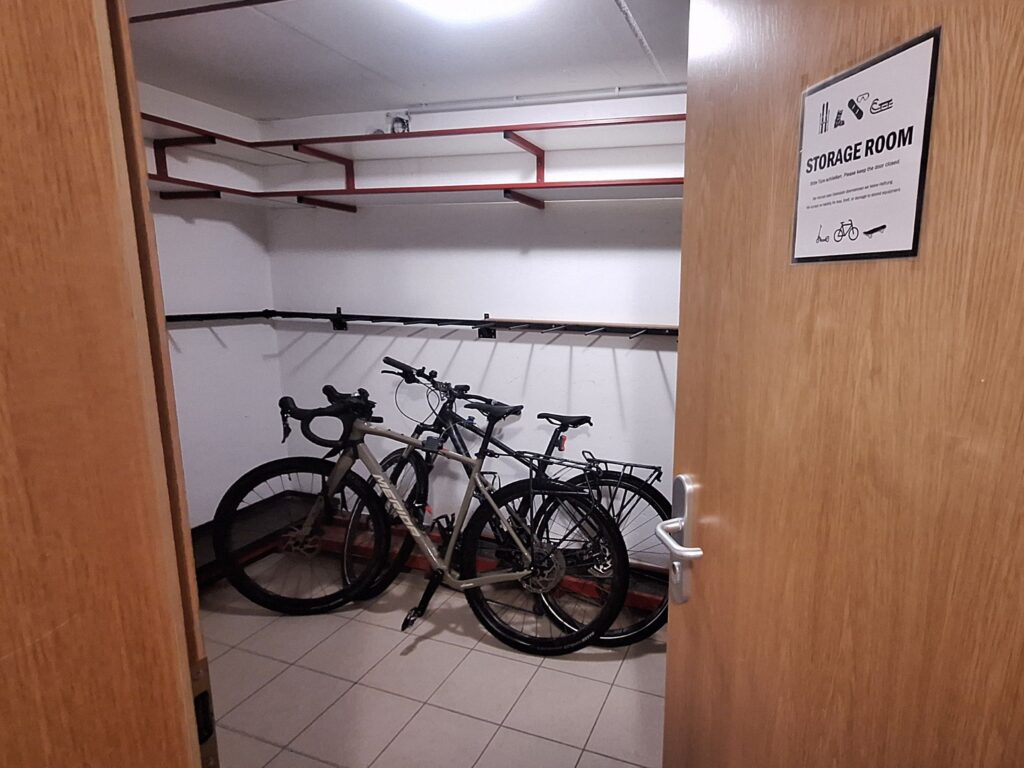
During peak season, many hotels are fully booked, and often only the pricier options are available. I don’t like to book my accommodation ahead of time, as I often change my plans along the route, so I mostly stay at campsites, where you can show up with your tent without booking.
Campsites in Austria
Spanie na dziko is generally prohibited in most of Austria, so it’s best to stick to official campsites, unless you want to risk a hefty fine.
We typically paid about 15-20 euros per person (usually the price is slightly higher if you travel alone). Rates are higher in the summer and lower during the low season.
Some campsites also close in autumn (usually around October/November) and reopen in April/May – keep that in mind if you’re planning cycle touring in Austria off-season.
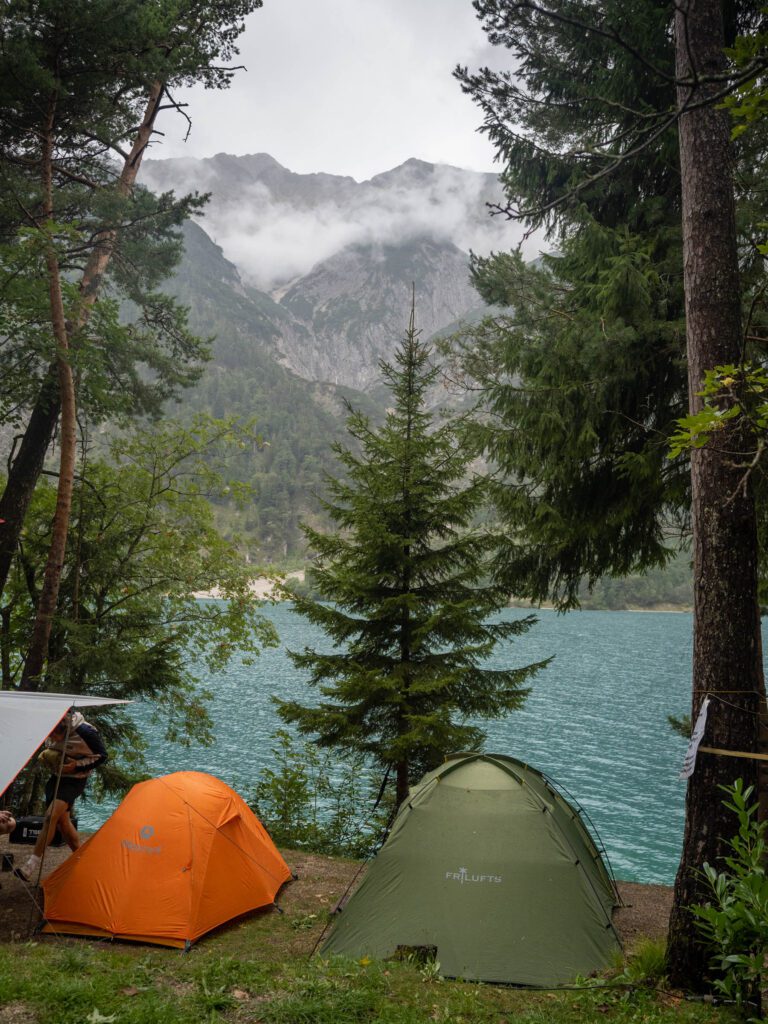
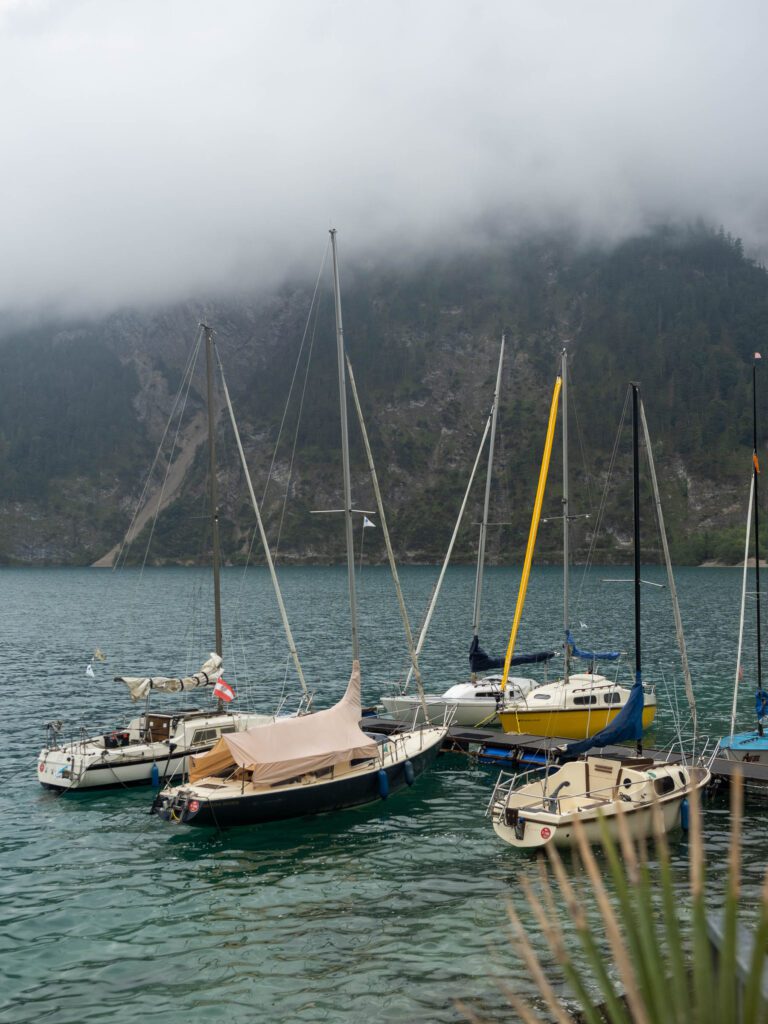
Some campsites in Austria I can recommend:
- Achensee Camping Schwarzenau – beautiful views with mountains towering over Lake Achensee.
- Camping Lampenhäusl in Fusch – a perfect starting point for cycling the famous Grossglocknerstrasse, one of Austria’s most iconic climbs.
- Stausee Camping – they even have a pool where you can cool down after a long day in the saddle.
Warmshowers in Austria (and alternatives)
The WarmShowers community in Austria is relatively big; however, especially in most popular touristy areas, finding a host can be difficult. Locals receive a lot of requests from travellers, especially along the most popular cycling routes, so it won’t always be easy to find a place to stay.
If you’re looking for a place to pitch your tent, check out 1nitetent i Welcome to My Garden, where people let slow travellers camp in their gardens. Unfortunately, both platforms seem to struggle to gain popularity in Austria, and the number of hosts is limited.
Useful tips, tricks, and resources for bike touring and bikepacking in Austria
- Most shops in Austria are closed on Sundays and public holidays. Don’t forget that and make sure you have enough snacks for the road if you’re travelling over the weekend.
- You can find plenty of cycle routes in Austria on Cycle Atlas Austria.
- I used Veloplanner to plan our route. It is a great resource for finding existing routes or creating your own. With my code WOBBLYRIDE, you can get 15 % off the premium plan (the code can only be activated in the browser, but the subscription will automatically work in the mobile app).
Did you bike in Austria? Share your experience and recommend me more routes in the comments!
 Polski
 English