
Are you looking for a stunning cycling route with views like in the Alps. How about the Tatra Mountains – a mountain range on the border between Poland and Slovakia that you can cycle around within a few days? I recently did the famous Around the Tatra loop and can safely call it one of the best cycling routes in Poland and Slovakia.
About the Tatra Mountains
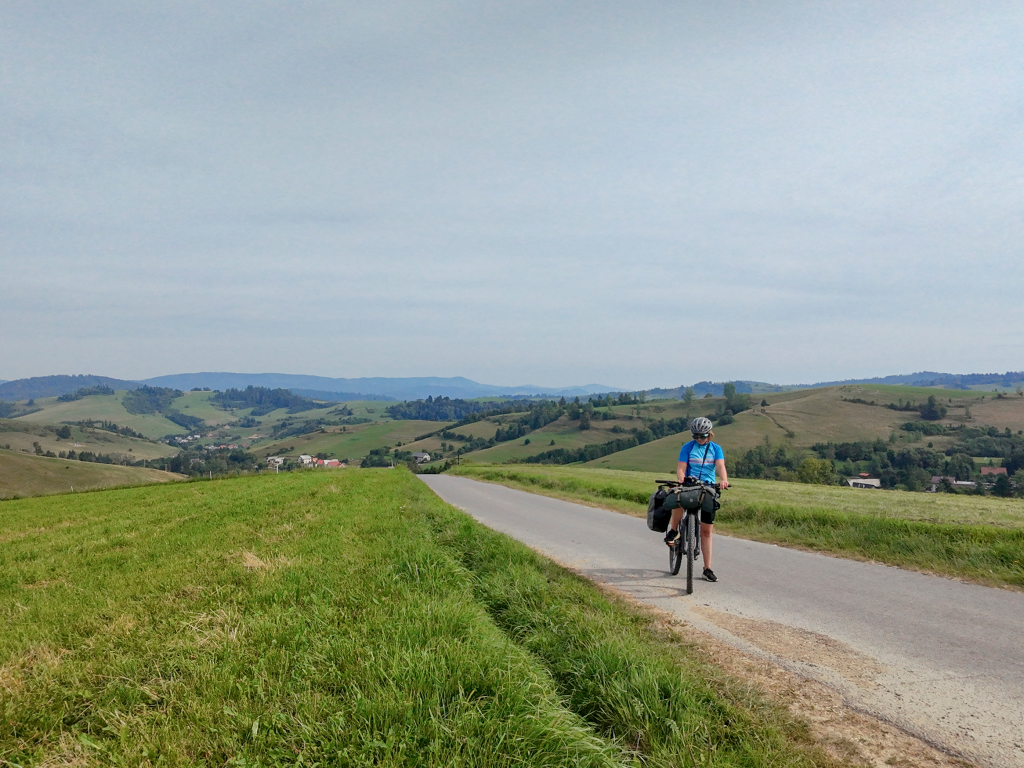
As the highest mountain range, the Tatras have a special place in Polish culture. With their cragged peaks, alpine-like vistas, and unique folklore, they are one of the most popular holiday destinations for most Poles. It’s in the Tatras where I did my first more technically challenging hike, where I discovered my fear of heights and where my love for the mountains began.
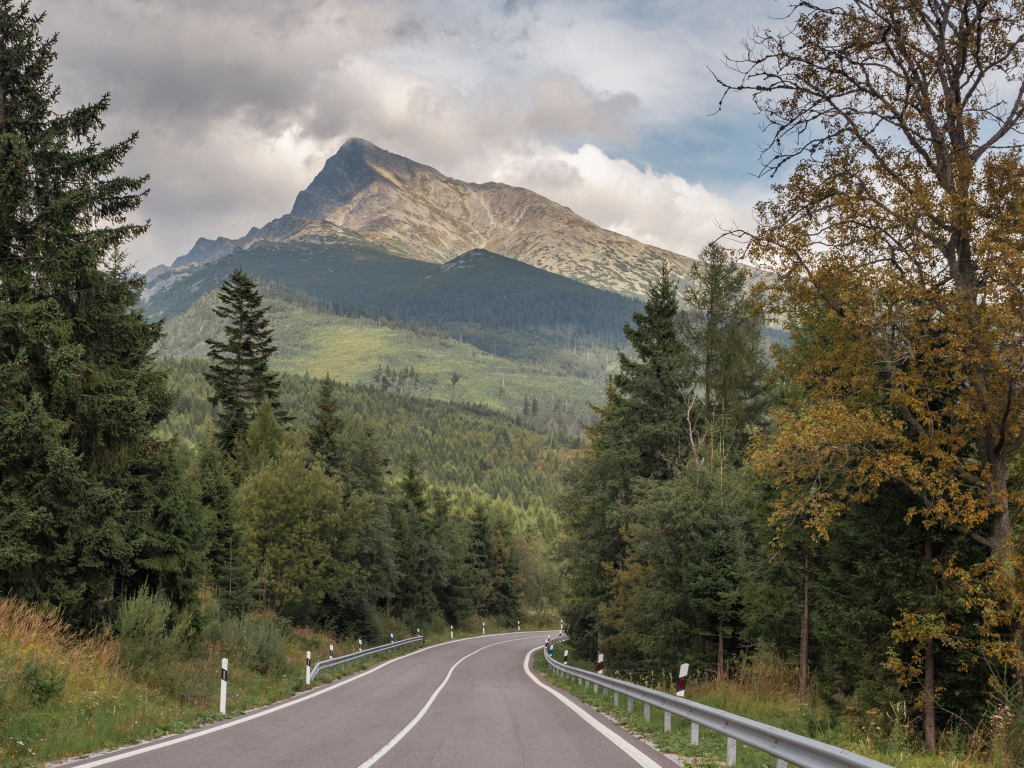
The highest peaks of the Tatras, which reach over 2,600 m, attract thousands of hikers and climbers every year. Yet, the main ridge of the High Tatra Mountains is only about 80 km long, making it the smallest high mountain range in the world. Thanks to the compact size, you can easily cycle around the Tatras.
The Cycle Route Around the Tatra Mountains
The idea for a cycle route around the Tatra Mountains emerged in the early 2000s, when municipalities on both the Slovak and Polish sides of the region decided to create a loop that would allow cyclists, skiers, and runners to safely access the most beautiful and unique places in the area.
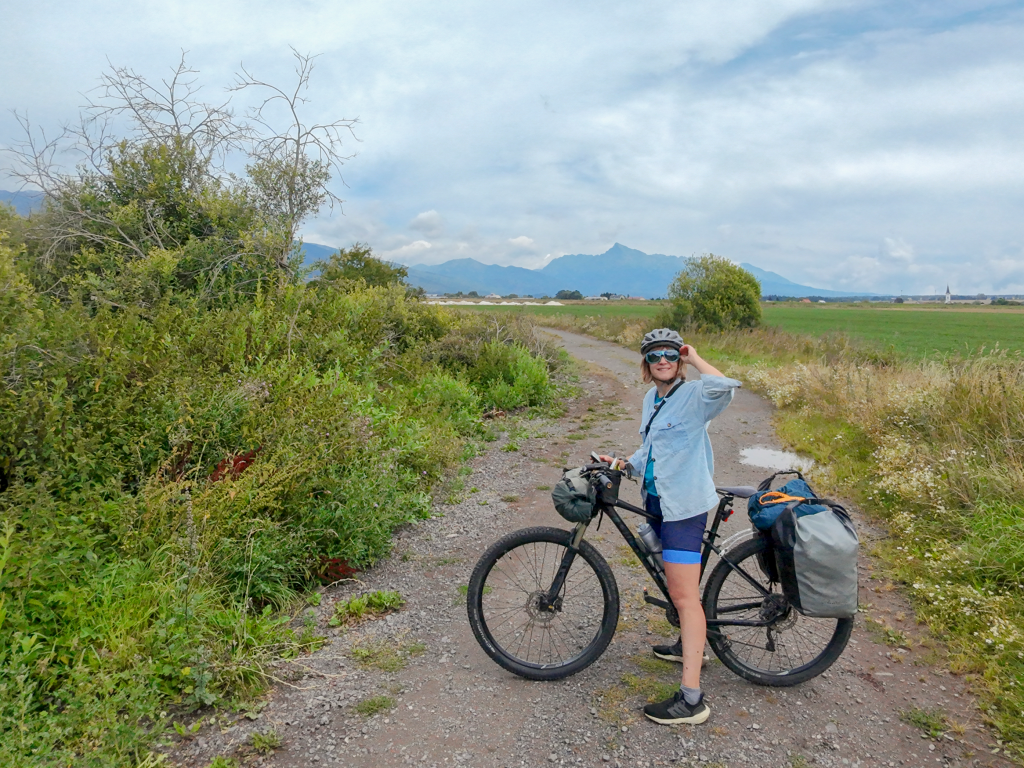
Although the route circumnavigates the highest mountain range of both countries, it doesn’t require superhuman athletic strength. There is a fair share of climbs, of course, but none of them are so long or steep that a reasonably fit cyclist wouldn’t be able to handle them.
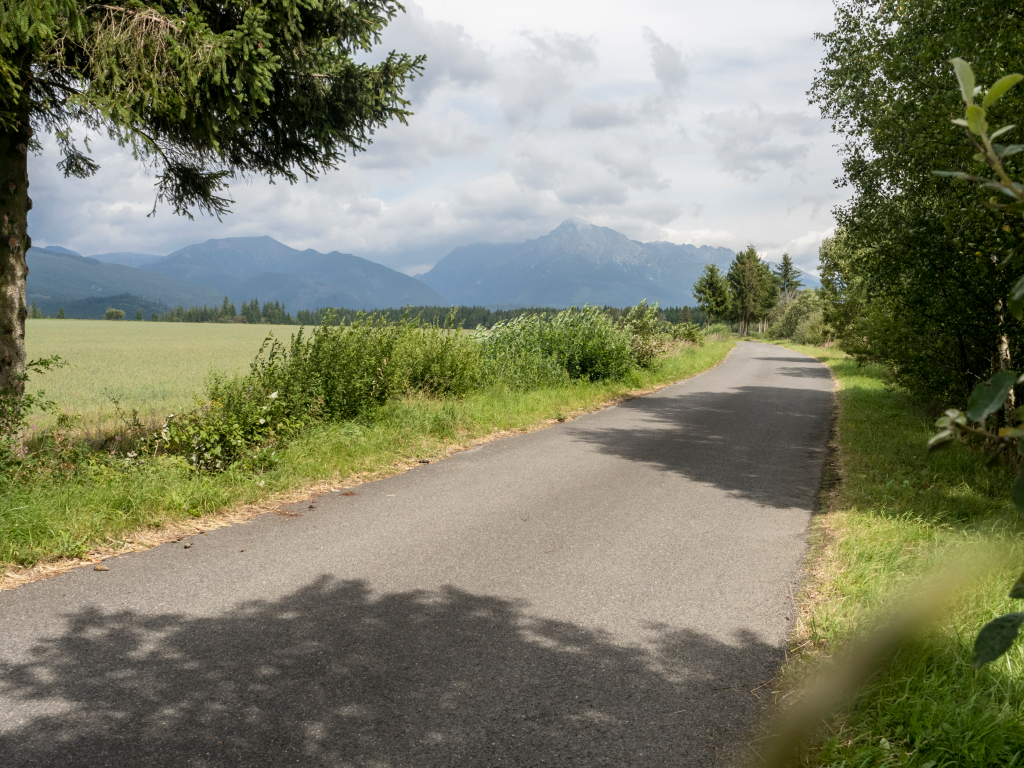
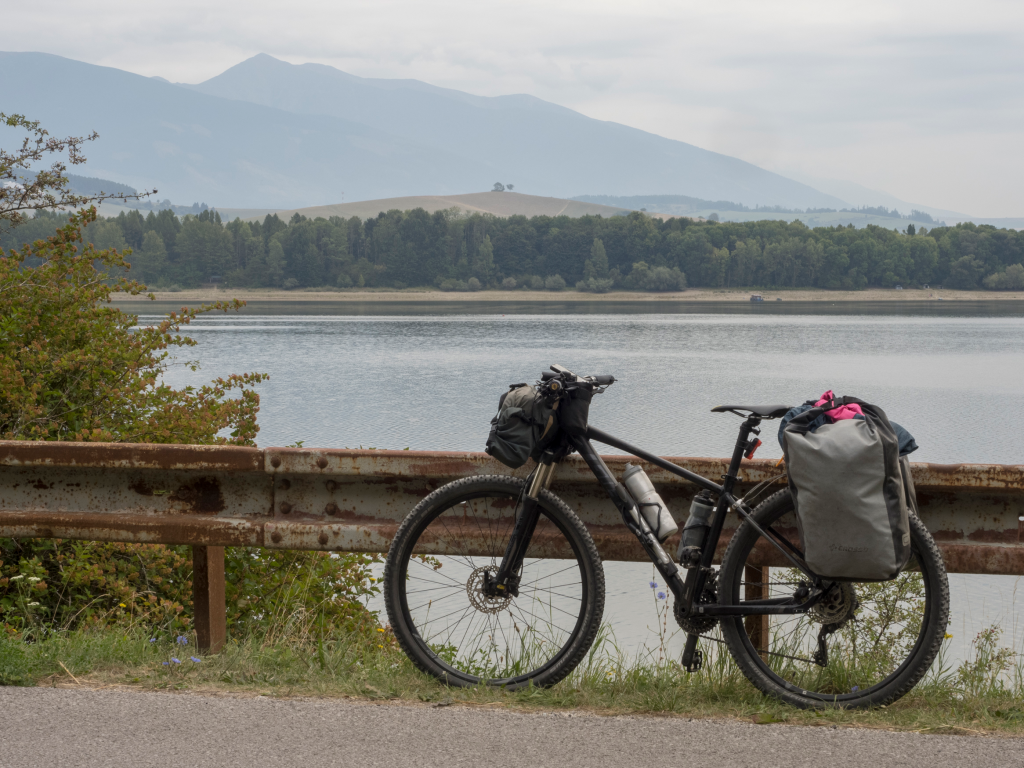
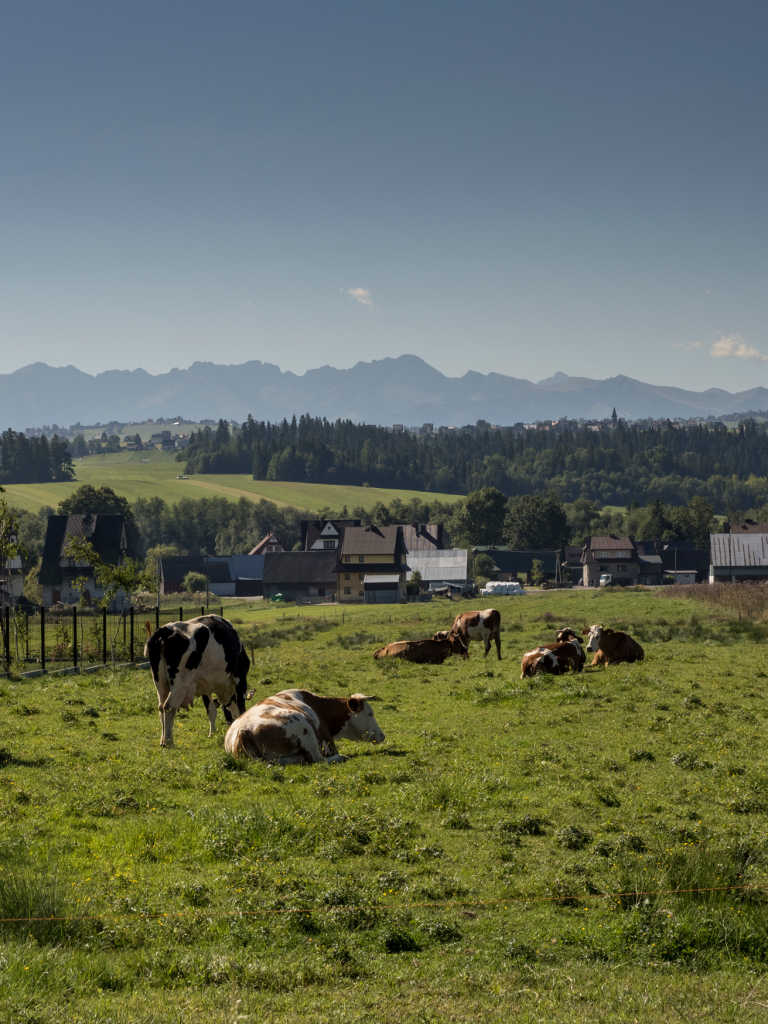
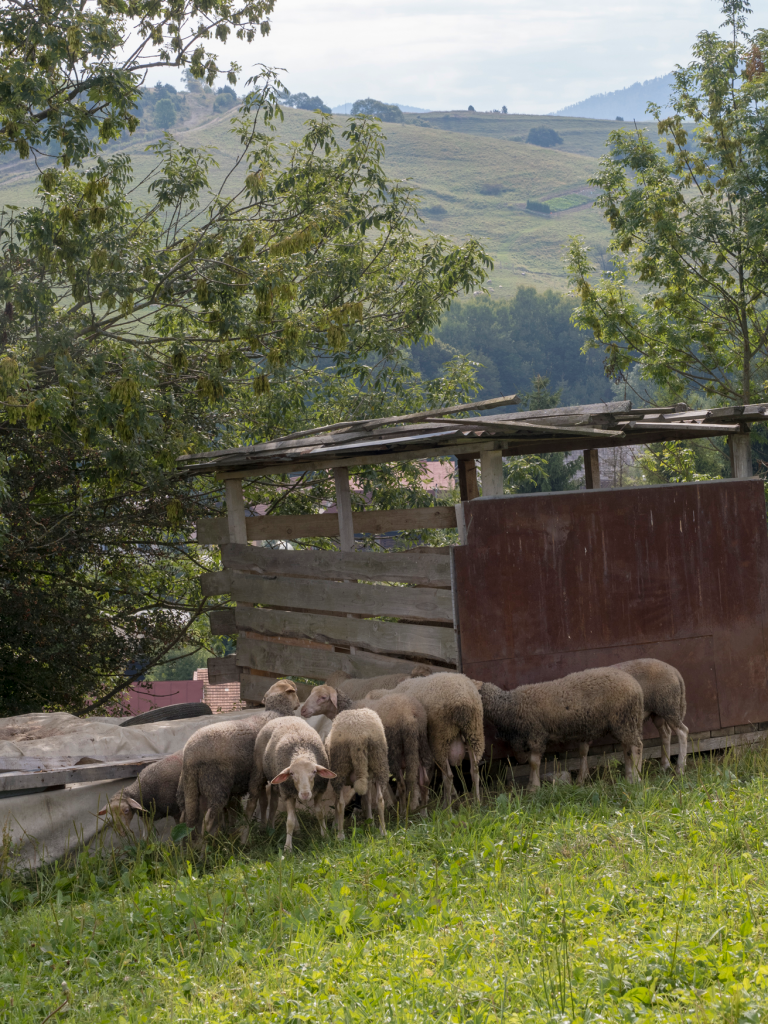
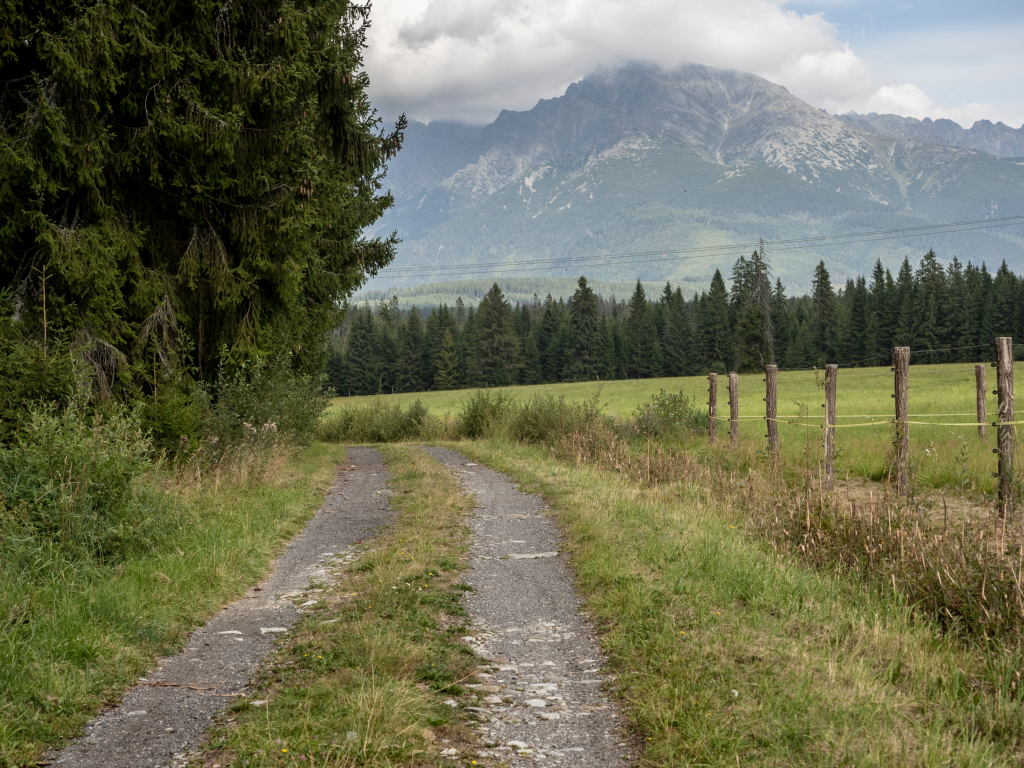
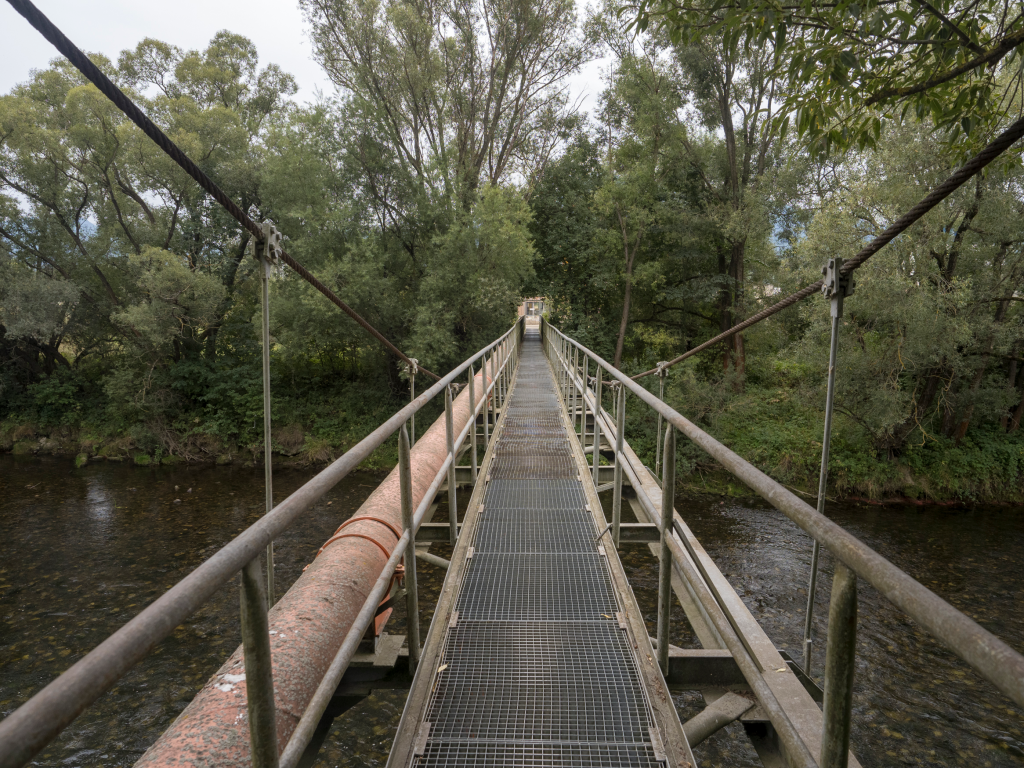
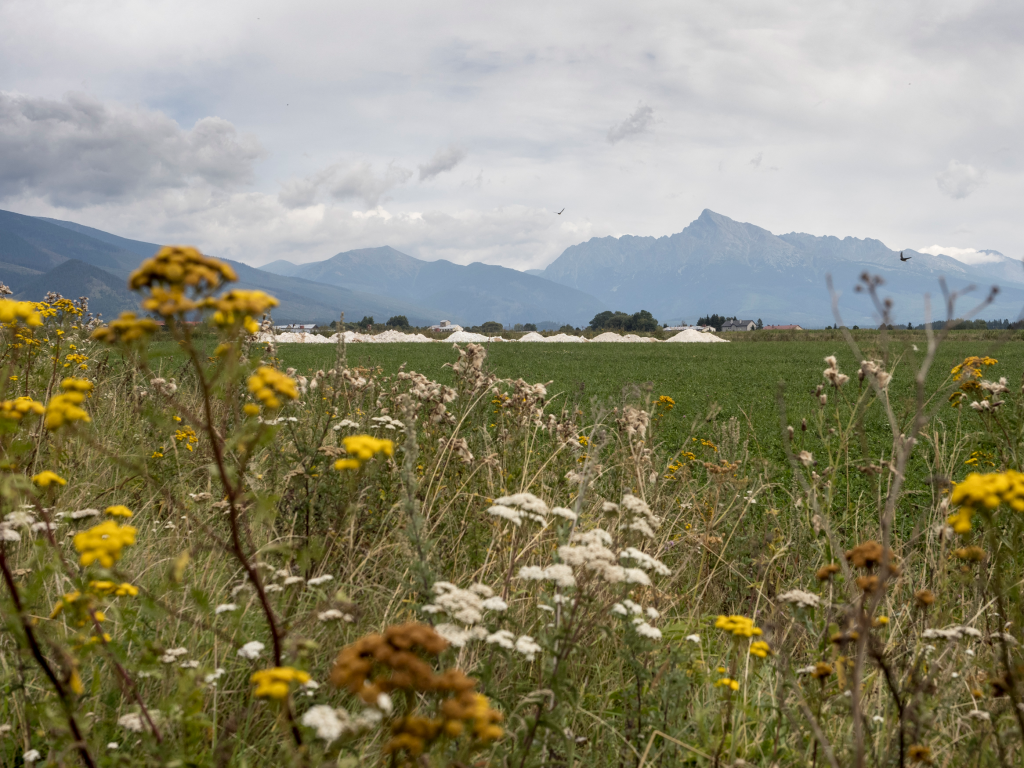
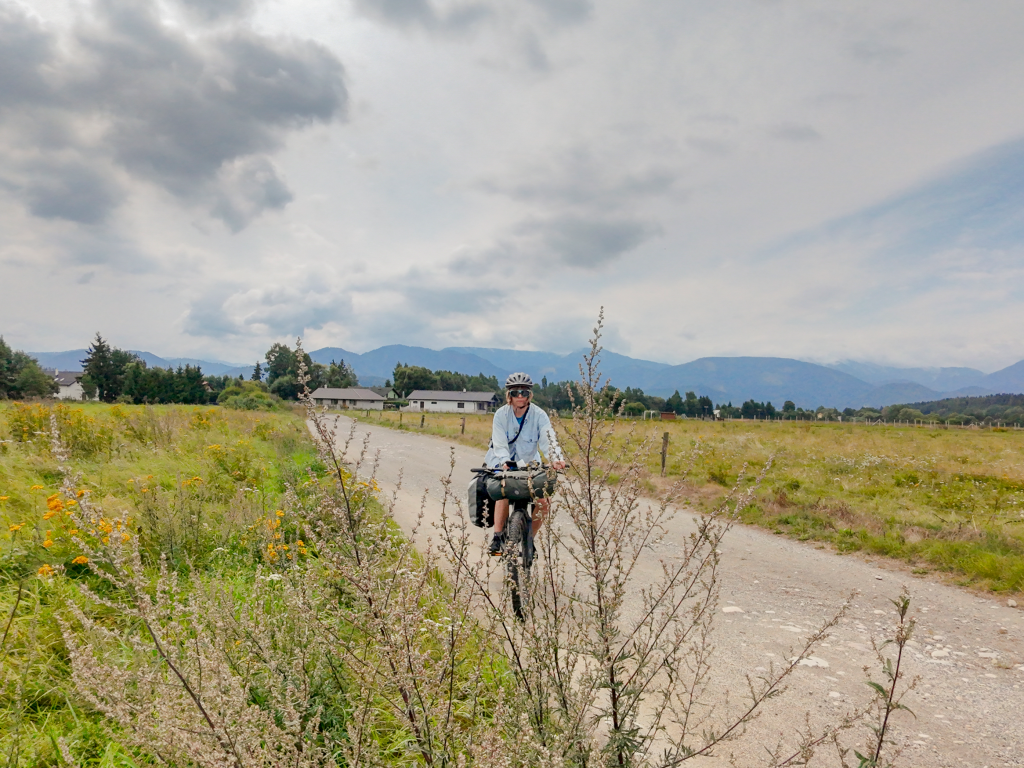
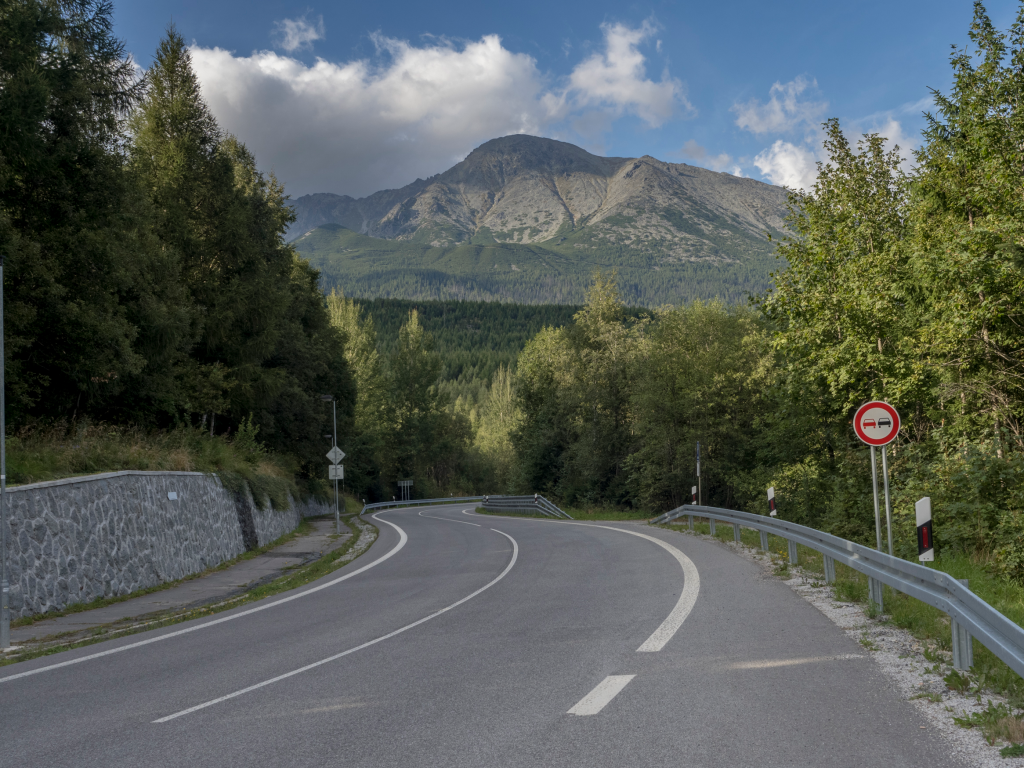
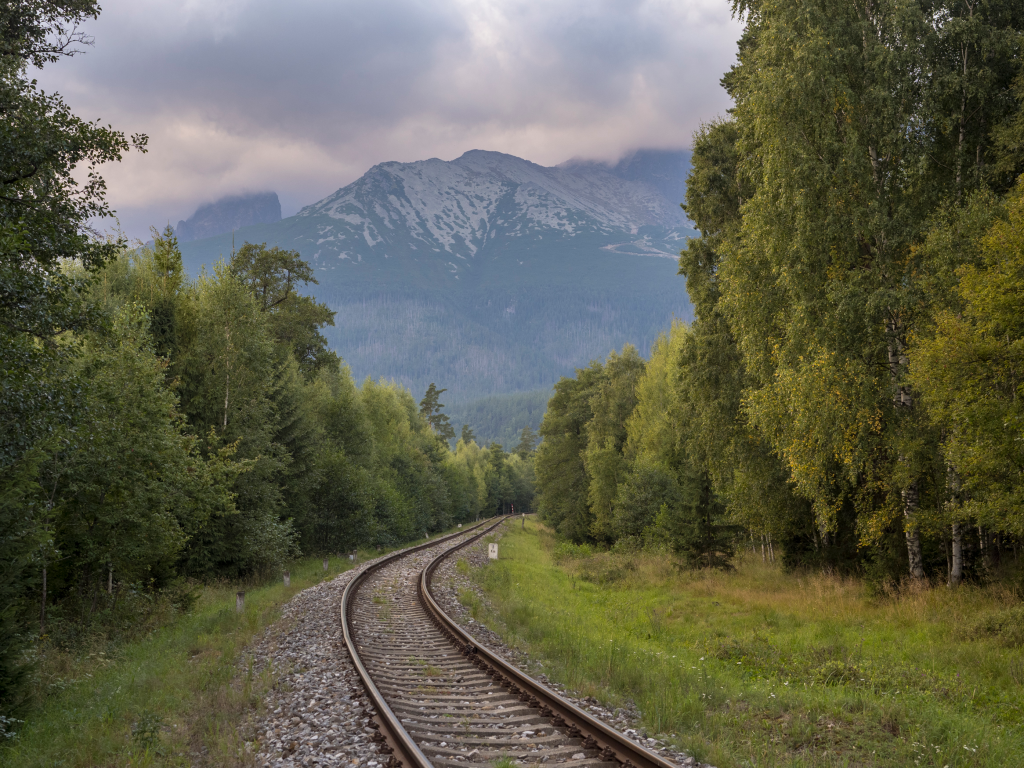
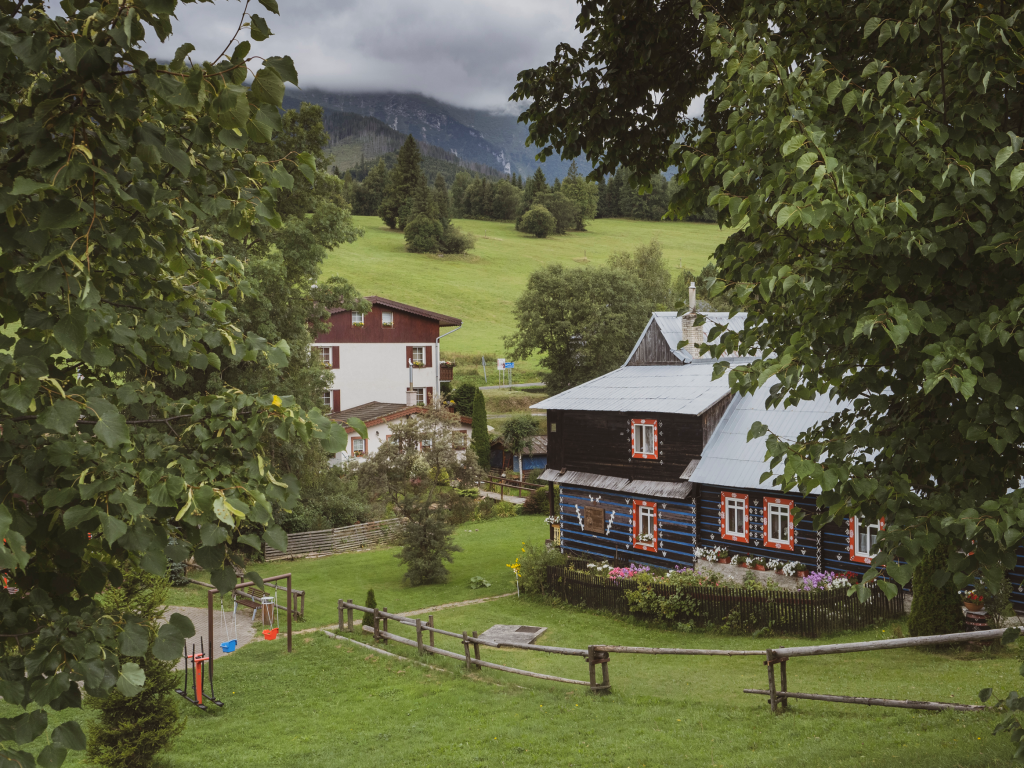
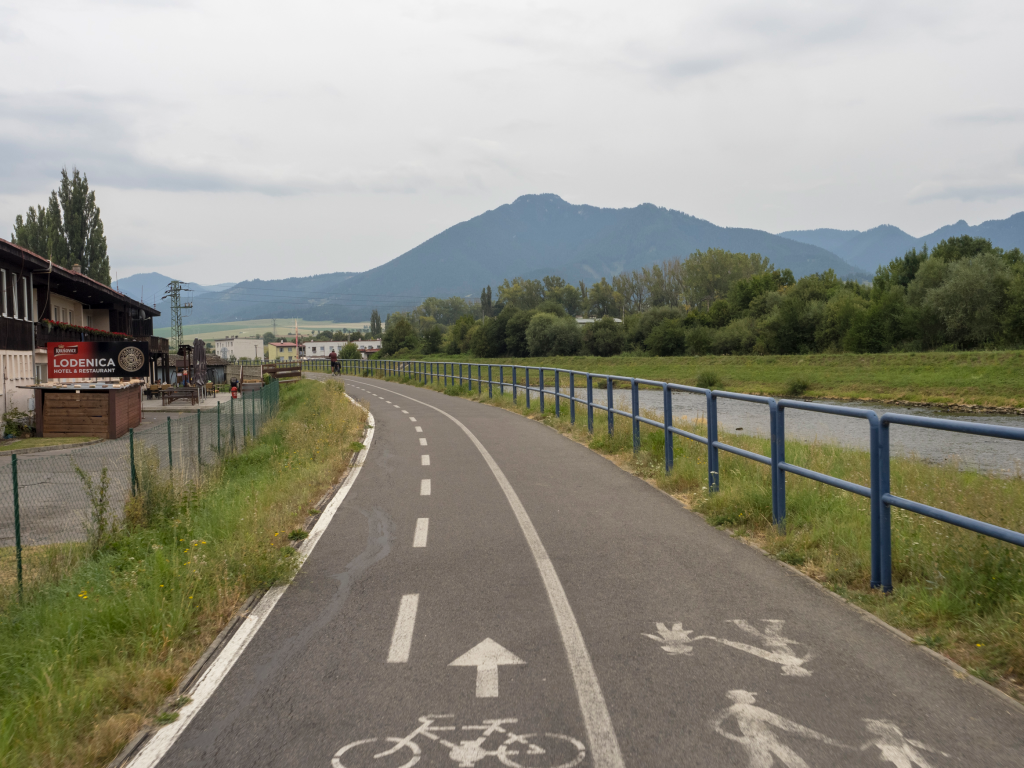
You’ll cycle along rivers, through cute hanging bridges, on quiet gravel roads and among green pastures where cows and sheeps peacefully graze. The majestic summits of the Tatra Mountains will keep you company almost all the time.
Variants of the route
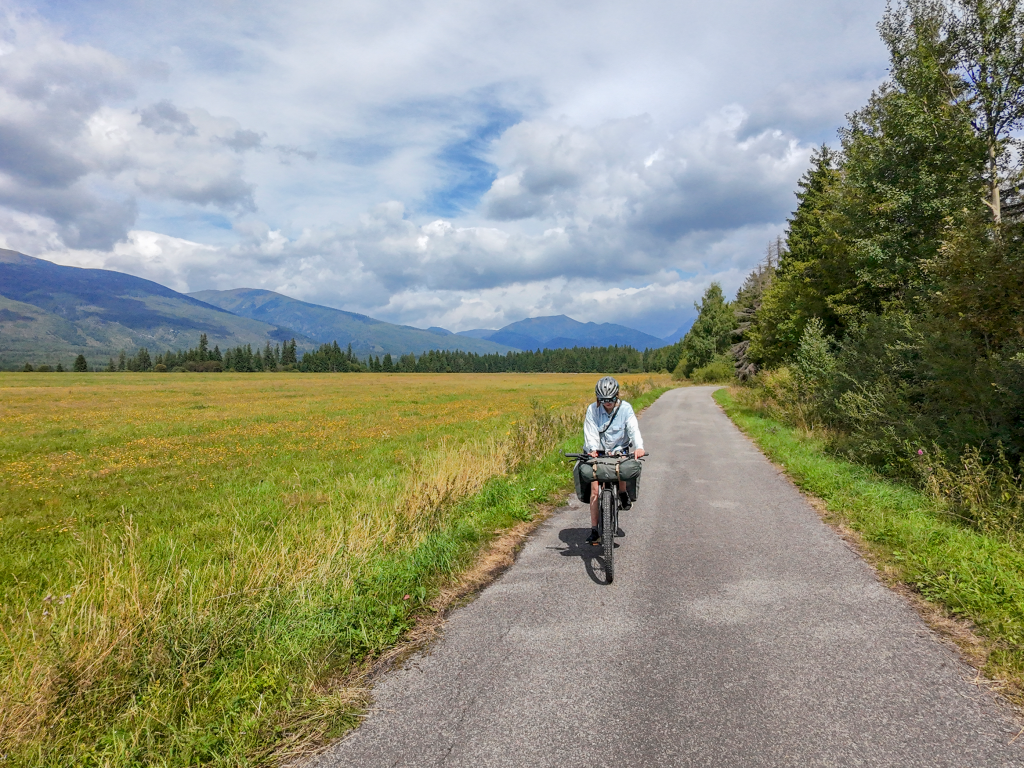
There are three official itineraries you can choose from:
- Official (282 km, 2429 m up)
- Option (246 km, 2764 m up)
- Gravel (322 km, 3666 m up)
If you’re looking for the easiest option with the fewest climbs possible, choose the Official one. The Gravel route is the most scenic but also the most demanding, so if you’re looking for a challenge, it’ll suit you best. The Option route is best if you want to ride on paved surfaces as much as possible and don’t mind some roads with more traffic.
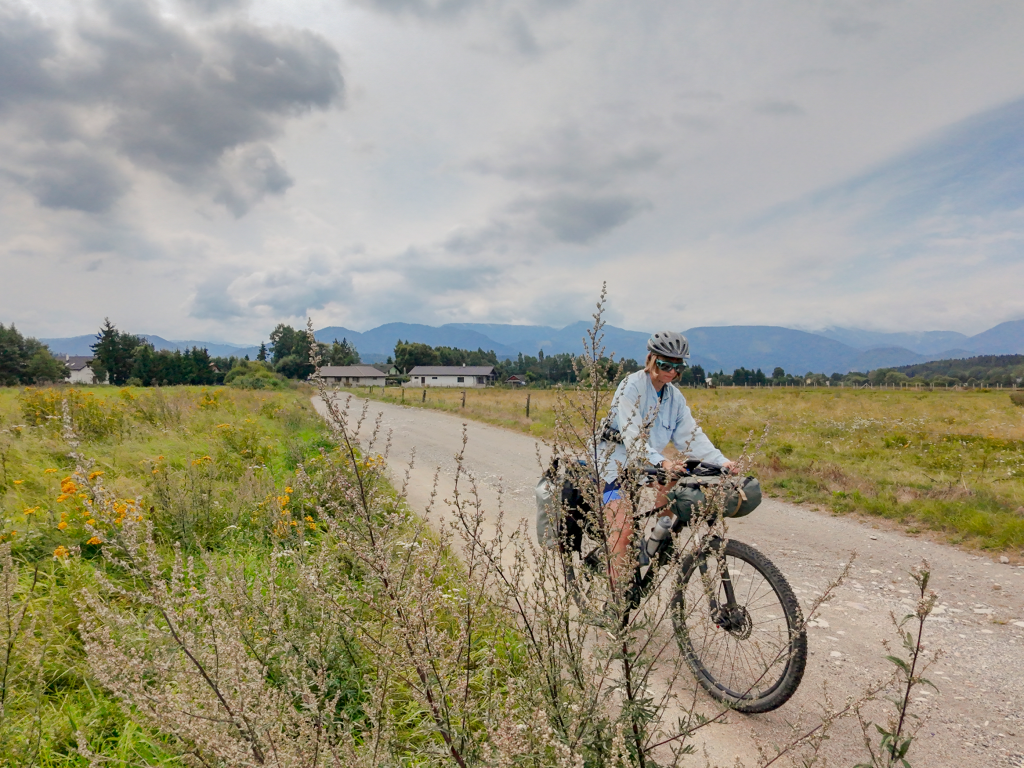
All three variants overlap partially, so you can combine them as you wish. I did that, deciding on the go which alternative looks most exciting, and it worked out perfectly.
You can use the official PDF guide to plan your trip. It has plenty of information on what to see along the route and where to stay.
Only some parts of the route are well-marked and signposted, so you should download the GPX track for navigation.
How much time do you need to cycle around the Tatras?
Depending on your fitness level, the chosen itinerary, and the amount of time spent sightseeing or simply enjoying the views, cycling around the Tatra Mountains will take between two and five days. If you’re fit and used to long days in the saddle, you can definitely make it a weekend mini-adventure.
If you want to extend your journey, you can continue cycling on one of Poland’s most popular cycle routes – Velo Dunajec. From there, you can bike to Krakow, where another fantastic cycle route – The Eagles’ Nest Trail – starts.
Transport
The best thing about this cycle route is that it’s also easily accessible by public transportation. I started my adventure in Nowy Targ, which can be reached by train. The journey takes approximately 2 hours from Kraków and about 6 hours from Warsaw. If you’re bringing your bicycle, don’t forget to book a spot for it (read more about it tutaj).
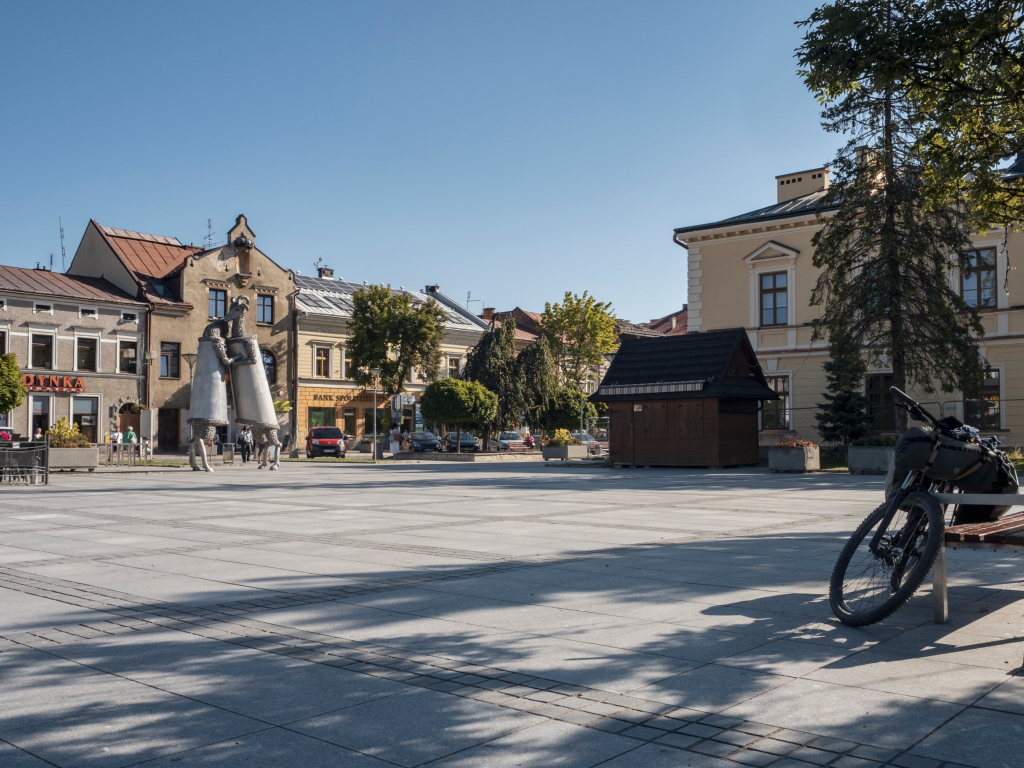
In the summer, bicycle spots on trains sell out quickly. In this case, a good alternative is FlixBus. It takes slightly longer, but the tickets are affordable and taking a bike is easy (they typically have a bicycle rack on the back of the bus).
If you prefer to start your journey in Slovakia, you can take a direct train from Bratislava to Liptovsky Mikulas or Poprad. A reservation for your bicycle is also mandatory (read more about taking bicycles on Slovak trains tutaj).
Noclegi
Finding a place to stay when cycling around the Tatras is super easy. The region is a popular tourist hub, with numerous hotels, guesthouses, and campsites along the route. This allows you to adjust the daily mileage to your fitness level without overexerting yourself.
Here is a map that can help you find accommodation along the route around the Tatras.
Camping
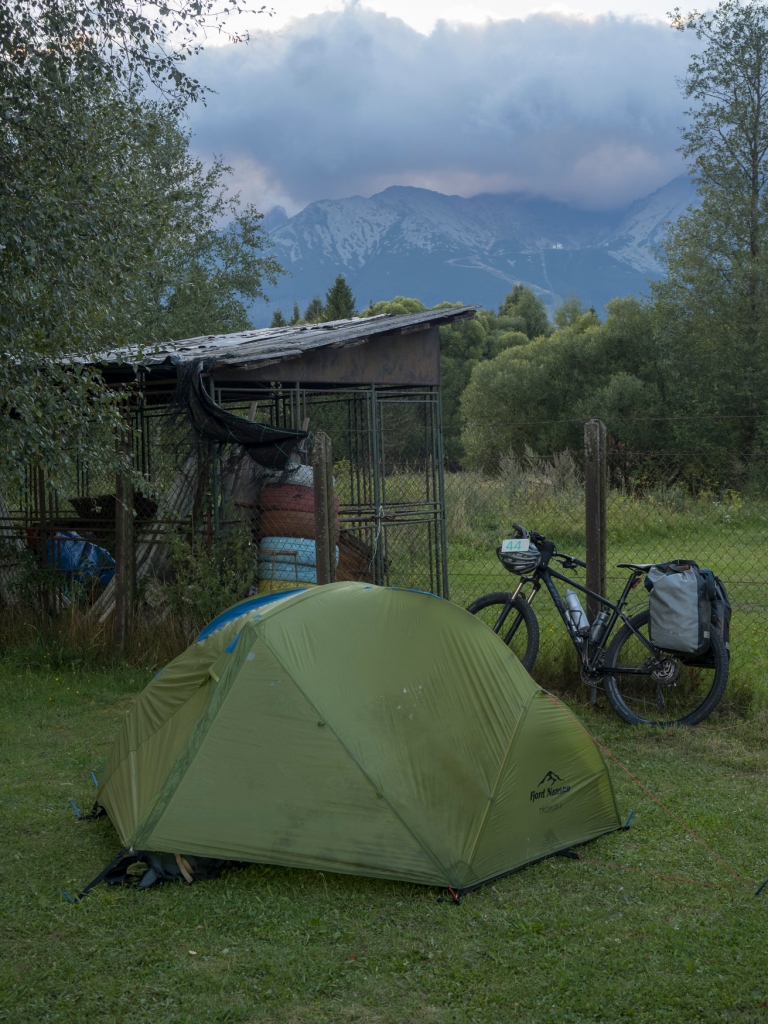
If you’d like to get closer to nature and sleep in your tent, please note that camping is strictly prohibited in both the Polish and Slovak Tatra Mountains National Parks. Outside the national park’s borders, camping is permitted as long as you leave no trace and respect the natural environment and residents.
You can also stay on established campsites. Most of them are affordable and clean (sometimes they even have a kitchen where you can prepare your own meals).
I recommend the Interkamp Tatranec near Tatranská Lomnica (5 euros per person, 5 euros per tent, plus 3.5 euros tourist tax) and Autokamp Vavrisevo (8 euros).
Jedzenie i dostęp do wody
When it comes to logistics, cycling around the Tatras is pretty straightforward. There are plenty of supermarkets and restaurants along the way, so you don’t need to carry a lot of food with you. An important thing to remember, however, is that most shops are closed on Sundays in both Slovakia and Poland.
If you want to try local food, in Poland, you should definitely get Oscypek – a traditional smoked cheese made from sheep’s milk. Another regional dish typical of the Tatra Mountains is kwaśnica – a soup made with sauerkraut and meat. In Slovakia, you should try fried cheese or bryndzové halušky (potato dumplings served with soft sheep cheese and bacon).
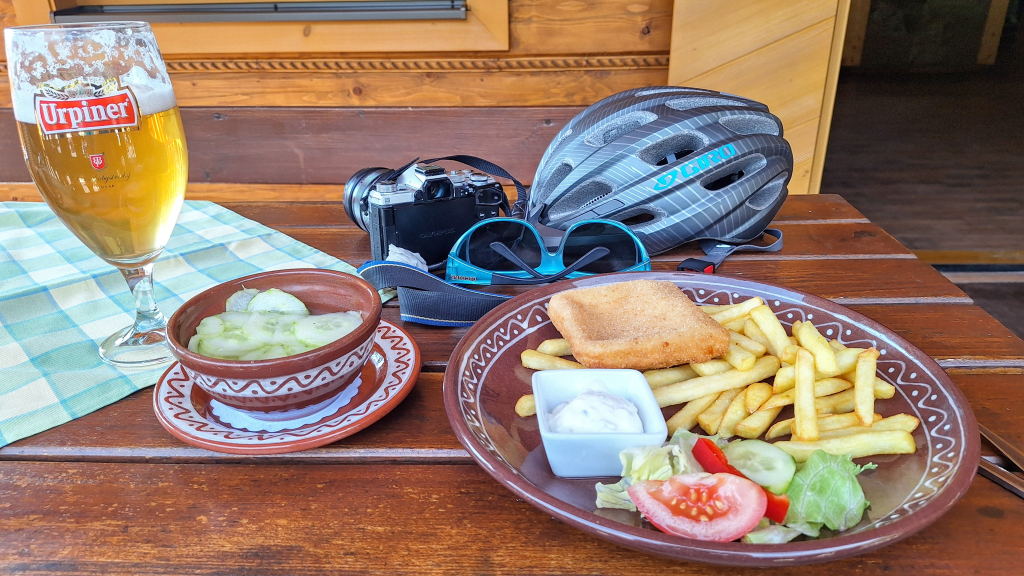
If you’re thirsty, try Kofola – a Czechoslovakian answer to Coca-Cola. I am also a big fan of Slovak non-alcoholic radler beers, especially Zlaty Bazant (available in various flavours, including lavender-black currant, lemon-basil, or strawberry-rhubarb).
The weather and the best time to cycle around the Tatra Mountains
The best time to cycle around the Tatra Mountains is generally from April to late September. In the spring, the fields of blooming crocuses and snow-capped peaks create an unforgettable view. Yet, the temperatures can still be quite chilly, especially higher in the mountains.
In the summer months, it’s warm and pleasant, but especially in the afternoon, you can expect heavy thunderstorms. Keep an eye on the weather forecast to plan your ride and avoid getting caught up in one of them.
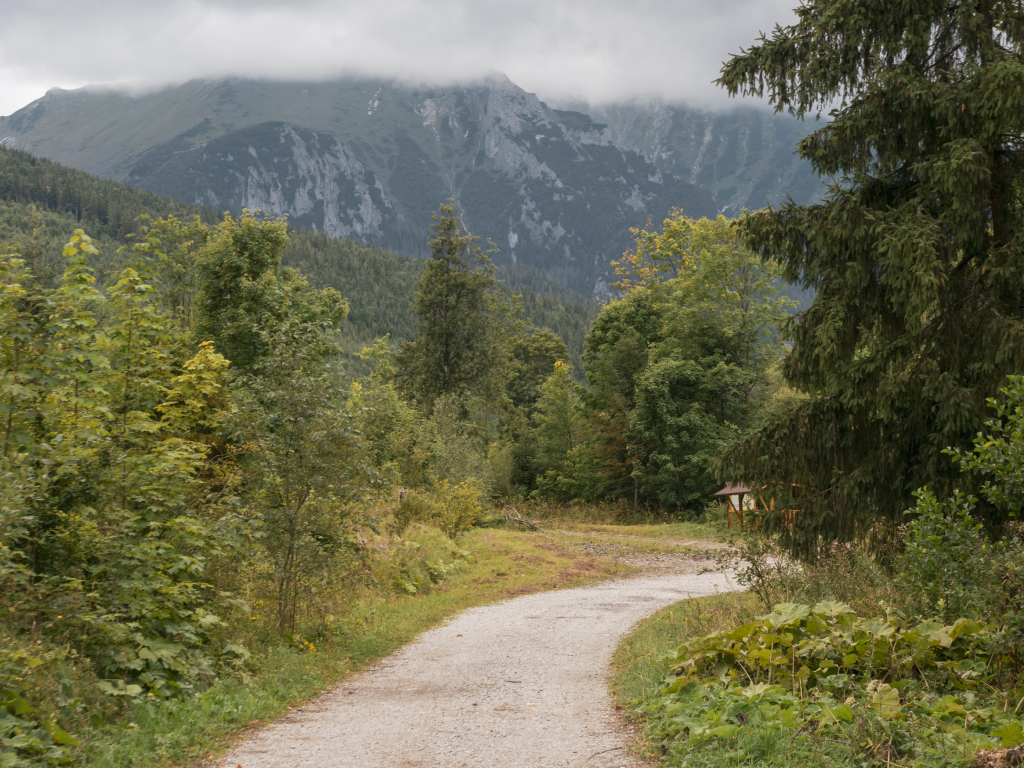
In autumn, the trees turn yellow and orange, transforming the mountains into a vibrant painting. It’s not rare, however, for the first snow to arrive in the higher parts of the mountains sometime in mid-September.
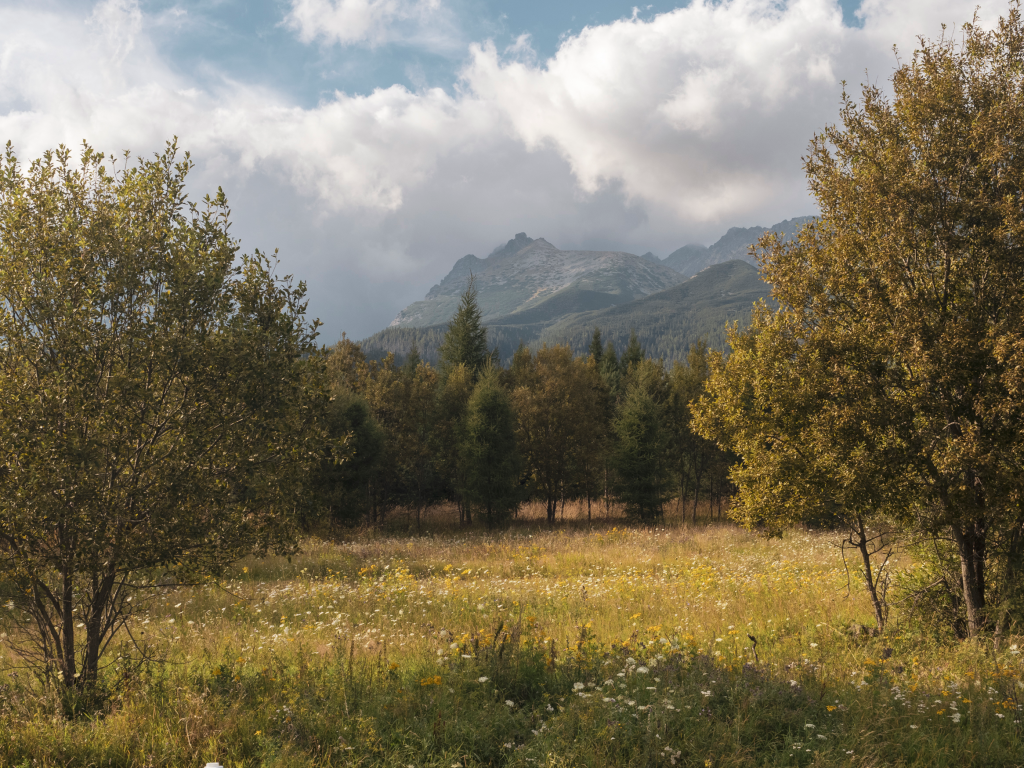
No matter the season, always bring with you proper rain gear and some warm clothes. The nights in the Tatras can be pretty cold even in the midst of summer.
Sightseeing
Cycling surrounded by stunning mountain views is an attraction in its own right. However, if you want to explore the region more deeply, there are several attractions worth visiting along the way.
Orava Castle
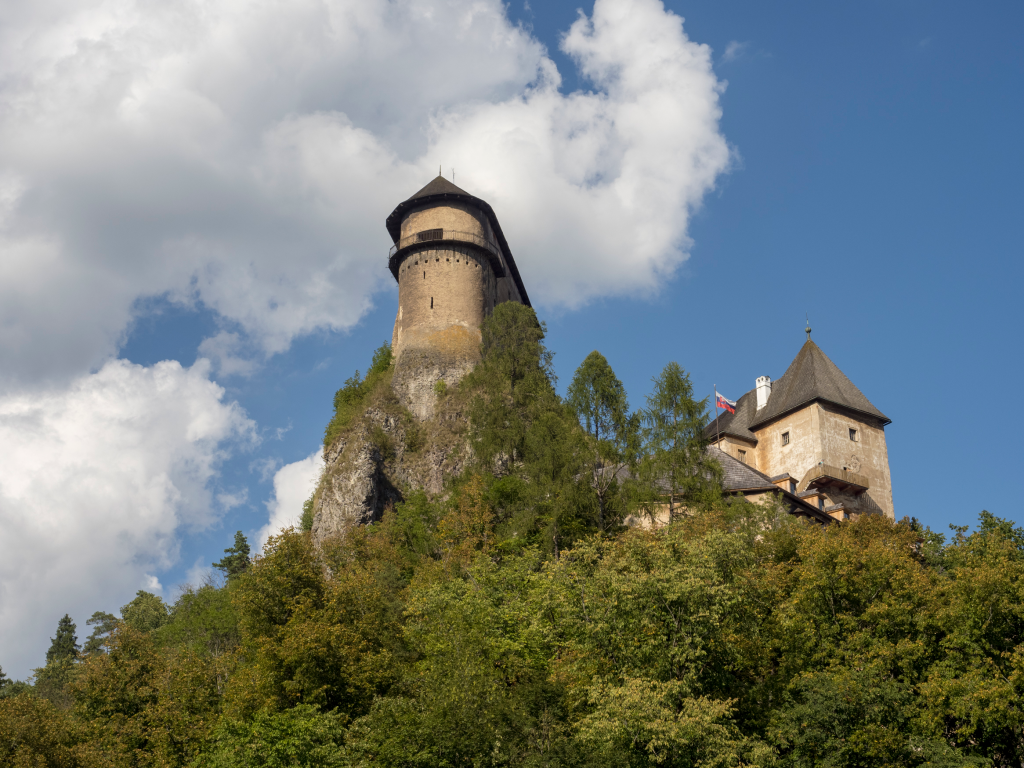
A medieval castle built on a rock looks impressive from the outside. The building we can see today was erected in the place of an old wooden fort after the Tatar invasion in the 13th century. It featured in the famous 1922 Nosferatu movie and a few other film productions.
Inside, you can find exhibitions about history, nature, and ethnography that are definitely worth spending one or two hours away from your bike.
Belianska Cave
One of the most visited caves in Slovakia enchants tourists with funky rocky shapes, flowstone waterfalls and many other cave formations. Entry tickets cost 10 euros, and a visit takes around 70 minutes. Remember to bring warm clothes – the temperature in the cave is around 5-6 degrees Celsius all year round.
Hike in Prosiecka and Kvacianska Valley
A hike through magical gorges and valleys allows you to explore the mountains from a completely different perspective than from the saddle. If you have an extra day during your trip, you should definitely spend it walking through the beautiful Prosiecka i Kvacianska Valley. There are a few ladders and handrails to help you walk through the steeper parts of the gorge. You’ll see traditional wooden architecture, magnificent waterfalls and stunning mountain views.
 Polski
  English
Thank you Joanna
Great info on this very beautiful part of Poland.
I am also planning a tour along the GreenVelo along the whole of Poland’s east. I believe that it would make a great tour combined with the South.
Keep up the good work.
Thank you for your nice words, Eric! That will be a great adventure for sure!