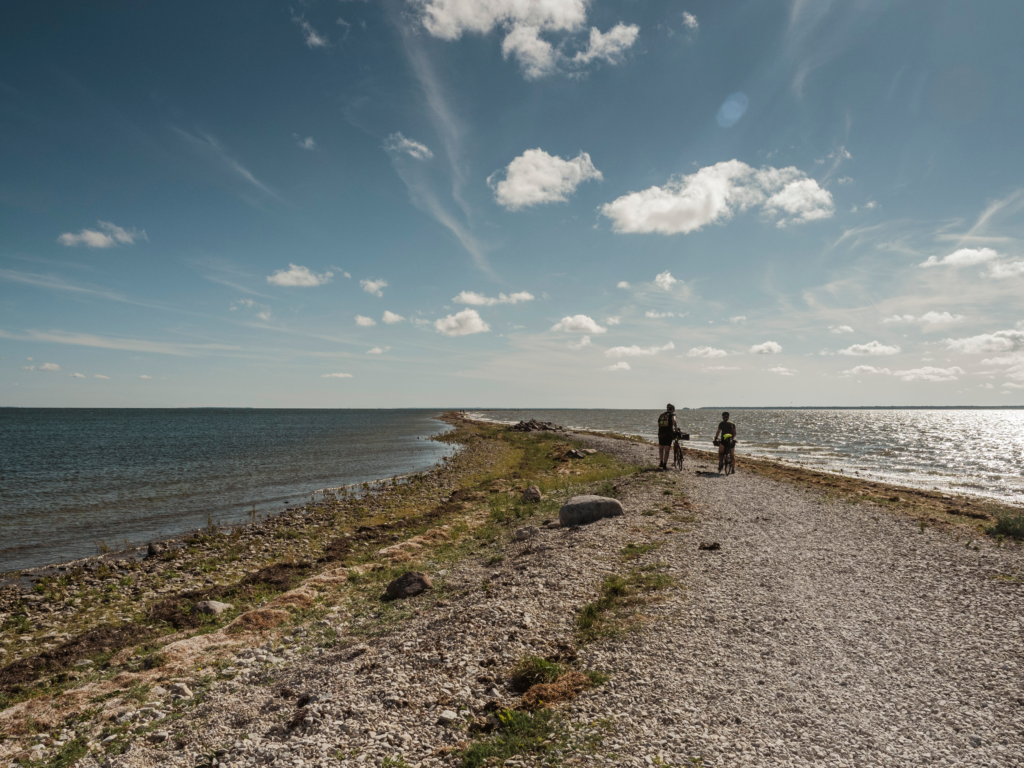
With more extreme heatwaves and average temperatures steadily growing over the last few years, cycling in the summer has become quite a challenge in many popular locations in Southern Europe. It prompts more people to look for alternative cycling destinations where moderate temperatures or a fresh sea breeze make riding less sweaty and exhausting.
I’ve always been more of a cooler girl. Not cool, as in the cool girl at school. Most certainly not. But the one who preferred the Arctic tundra in Northern Norway or Alpine glaciers from hot Mediterranean nights and sweating from just leaving the house.
I’ve biked in Sicily or Spain, but some of my favourite cycling destinations for July and August are in Northern Europe.
In this post, I want to share my best routes for everyone who wants to spend their summer biking but doesn’t want to wake up at 3 am to avoid the extreme heat.
For those who end up bike touring in high temperatures anyway, here are some of my tips on how to survive it:
The Baltic Coast – Copenhagen to Gdańsk
The recently launched Baltic Biking Upgrade proposes a new way to explore the EuroVelo 10 route, by visiting three countries: Denmark, Germany, and Poland. Following the southern coast of the Baltic Sea, you’ll be constantly exposed to a cool breeze and have plenty of opportunities to cool down in the rather chilly waters.
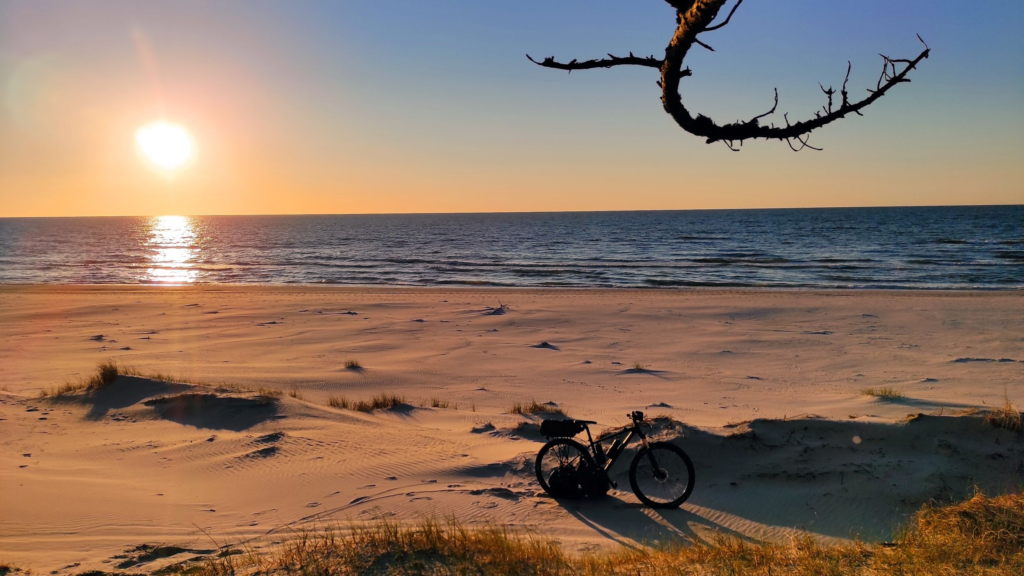
The entire route is 1270 km long, but with limited elevation and good infrastructure, it’s perfect for your first great cycle touring adventure.
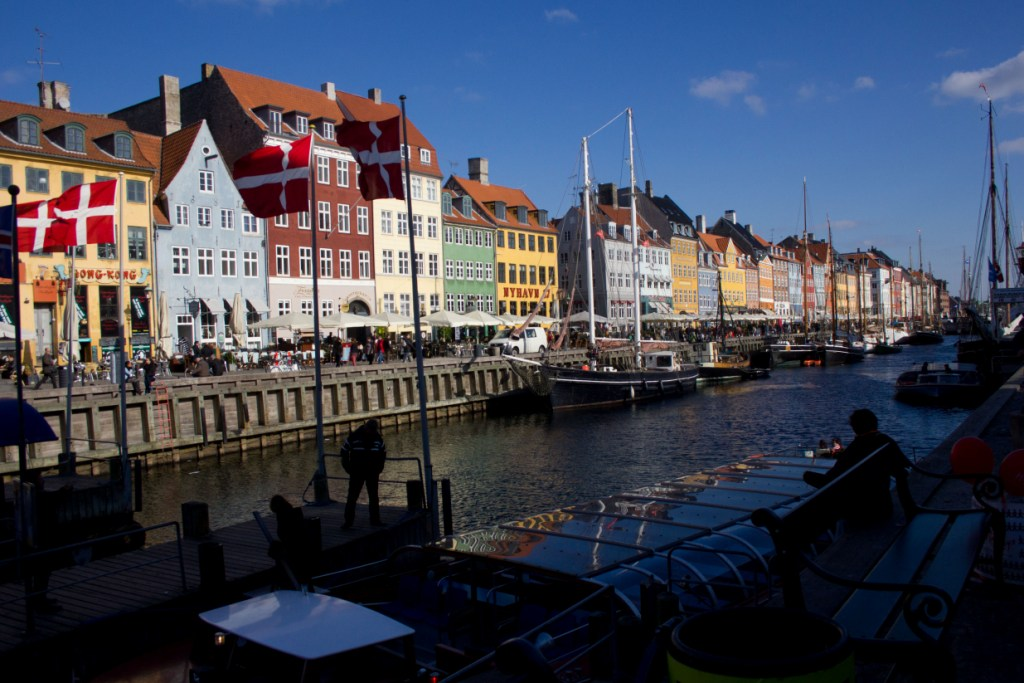
Before you switch on the adventure mode, take a day or two to explore Copenhagen – one of the most bikeable cities in the world. Along the Eurovelo in Copenhagen, you’ll find many calm and picturesque spots, such as the Feddet Peninsula or the charming medieval town of Nykøbing Falster.
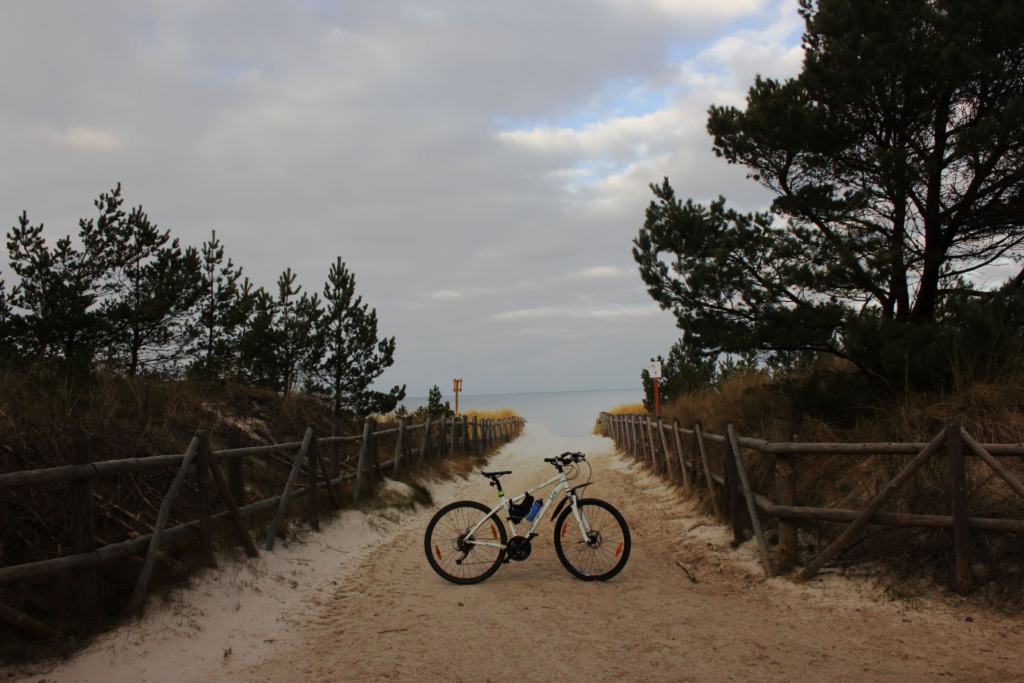
After a short ferry transfer, you’ll find yourself biking on great cycle lanes and quiet roads through neat and peaceful villages and historic Hanseatic towns. Stop for a visit at the old lighthouse in Warnemünde and take a dip in the sea in Prerow, where you can also admire the amazing views from the longest pier on the Baltic.
The first part of the Polish EuroVelo 10 will please you with great-quality separated cycle lanes and fantastic views. The famous coastal resorts of Międzyzdroje and Kołobrzeg might, however, feel quite overwhelming during the peak of the summer season.
Further east, the quality of cycling infrastructure decreases, but the journey is still full of highlights, including the shifting dunes in Słowiński National Park, lighthouses, and charming fishermen’s villages.
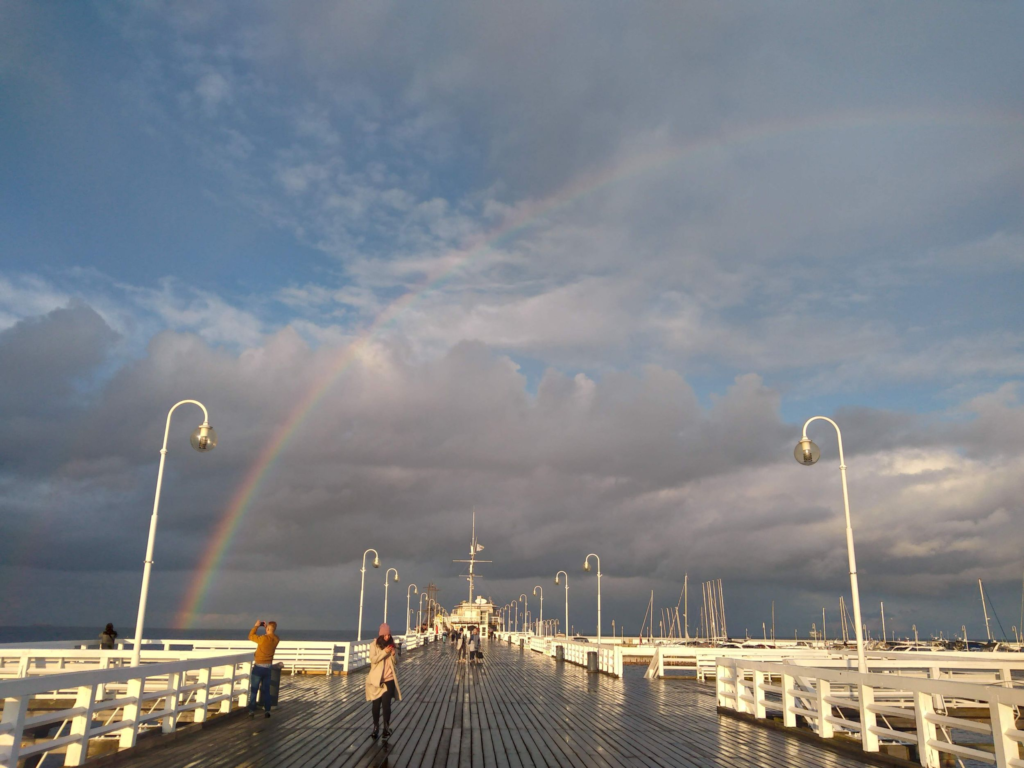
Your trip will finish in Tricity—Gdynia, Sopot, and Gdańsk, each city with unique architecture and history. As someone who used to live there, I’d definitely save two days at the end of my trip to enjoy swimming in the sea, wandering around the stunning Old Town in Gdańsk, and spending an evening in the post-industrial zone in the shipyard, where you can find great pubs, restaurants, and clubs.
For whom? Everyone! Families with kids, less experienced cyclists, and people who love the sea. The route is mostly flat, it’s easy to find accommodation, and the infrastructure is great – this is a perfect route for beginner cycle tourists.
VeloPlannerGravel cycling in Norway
Norway is definitely one of the first places that come to mind when you think about coolcation. One of Europe’s coldest countries, it is also a paradise for nature lovers. And while cycle touring might not be as popular as hiking there, it has some fantastic routes, especially for those who want to explore vast, empty landscapes, mountains, and refreshing forests.
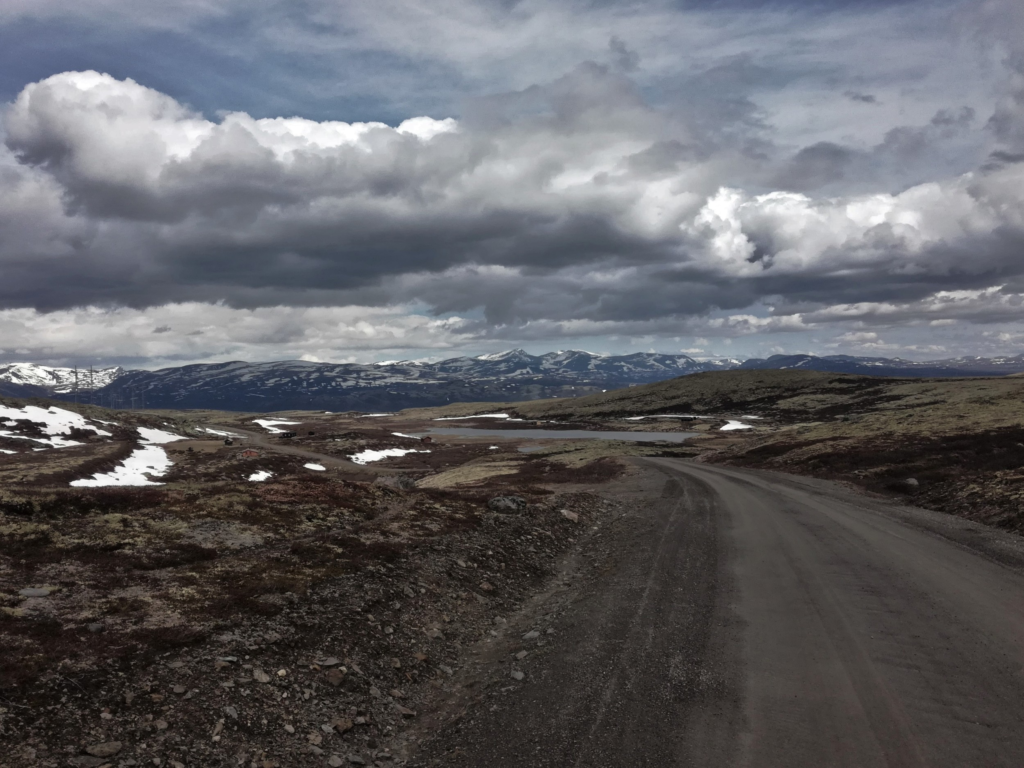
The most popular cycle route in Norway is definitely the famous Rallarvegen. But if you’re looking for a longer adventure off the beaten track, you should check out the first of the new National Gravel Routes: Sentralruta.
Running from Oslo to Trondheim, the 730-km-long route runs mostly through quiet gravel tracks where you will likely not see a single living soul for hours.
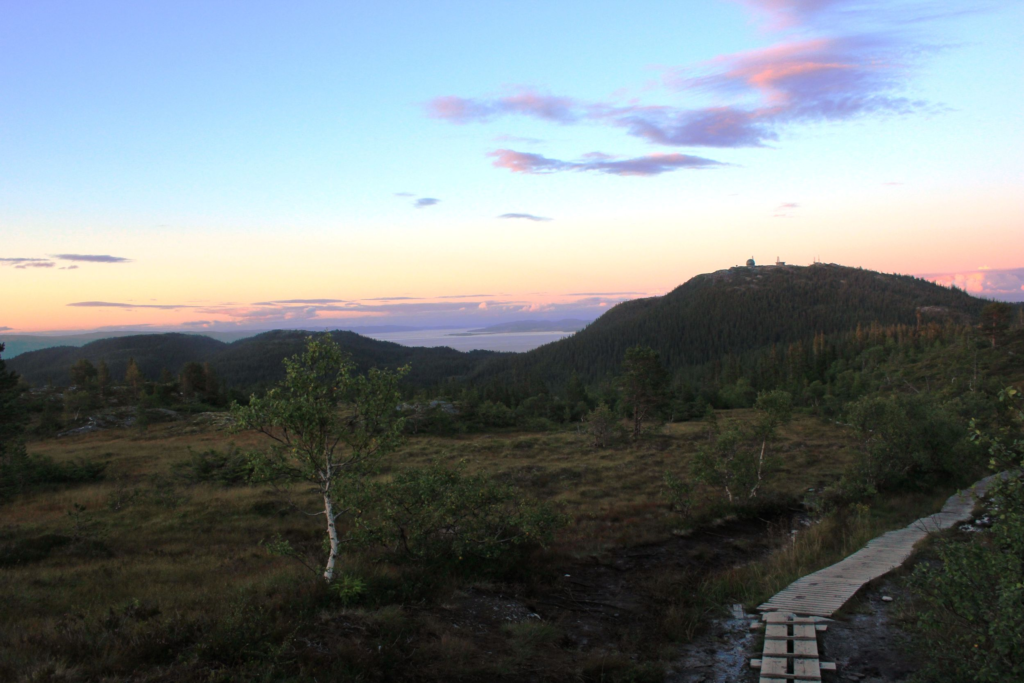
Along the way, you’ll find plenty of lakes to dip in if the temperatures get high (including the largest lake in Norway, Mjosa). And when you’re surrounded by the mountains of Jotunheimen and Dovre, the air will become cooler and fresher, even when the rest of the continent is battling a heatwave.
For whom? Adventure lovers, bikepackers with a tent (you can legally wild camp almost everywhere in Norway), people with strong legs, and more experienced travellers on the bike.
Cycling along the Maas River in the Netherlands
The best way to stay cool during the summer? Keeping close to the water. While many people will definitely choose the Coastal Route, the Maas River cycle route shows a lesser-known part of the Netherlands.
This 484-km-long cycle trail starts in Maastricht, one of the oldest cities in the Netherlands. Its underground tunnels and caves can give you a unique glimpse into its history, and on a summer day, offer some shade and cooling. Following the river, you’ll first enjoy the green, soothing landscapes of South Limburg, before reaching Den Bosch – another amazing historical city.
But the Netherlands is not just cities, towns, and beautiful architecture. You’ll also bike through the National Park Biesbosch, aka The Dutch Jungle. These beautiful wetlands are full of wildlife and are a perfect spot for birdwatchers.
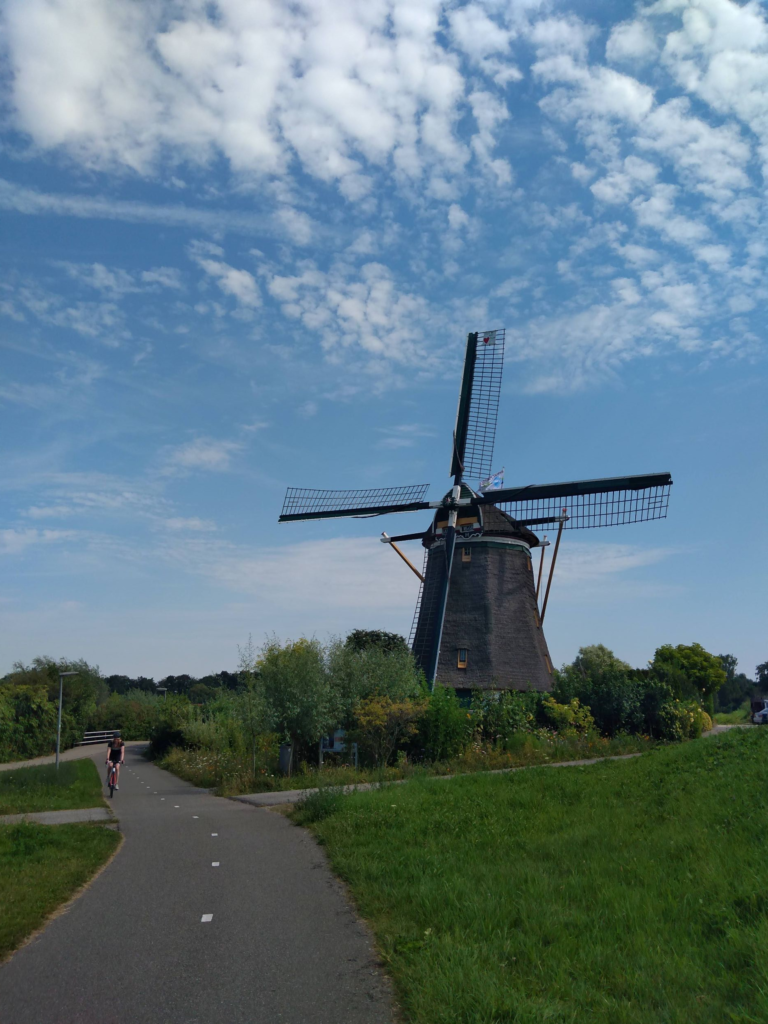
After a little detour to the Hoek van Holland (the southernmost point of Holland), you’ll arrive in Rotterdam – a vibrant modern city. If you want to spend the last night of your trip in a unique place, book a room at the Stayokay Cube Hostel. It is located in the famous cube houses—designed by Piet Blom, they are one of the most unique architectural projects in the Netherlands.
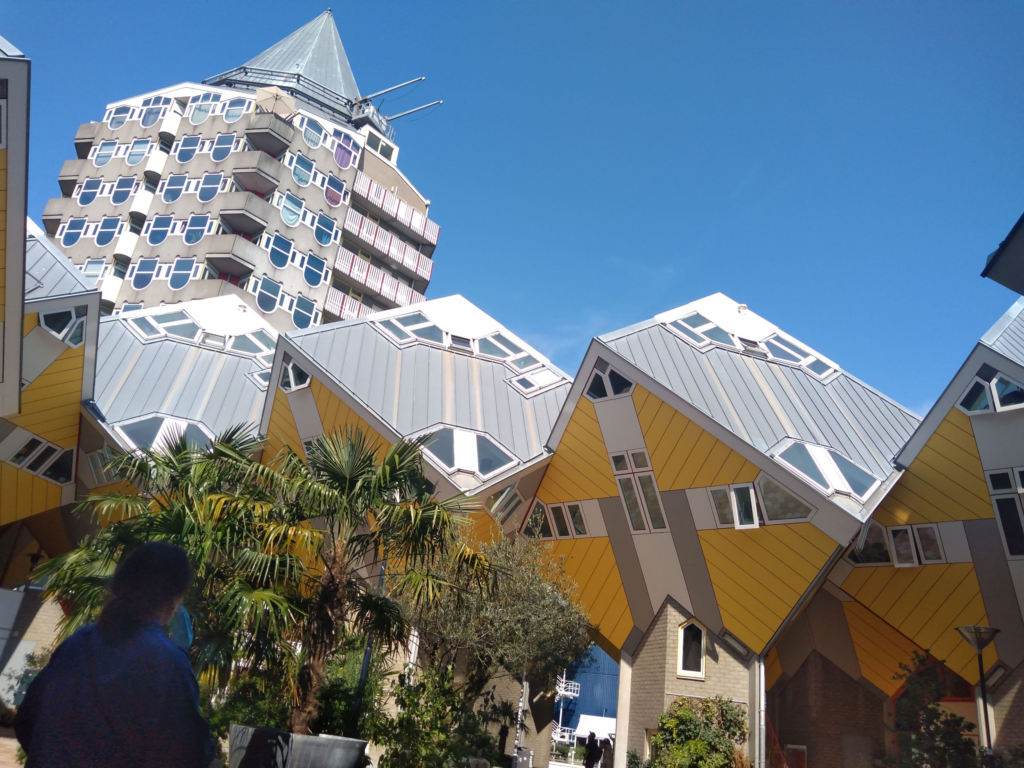
For whom? Everyone, including beginners. People who enjoy sightseeing, visiting cute medieval cities and want to experience the legendary Dutch cycling infrastructure. This is a perfect cycle route for families with kids, since the infrastructure is amazing and it’s mostly flat.
Estonian Islands
The Baltic islands of Muhu, Saaremaa, and Hiiumaa are the perfect gateway for people who love the sea but detest loud, tacky coastal resorts and crowded beaches. The roads are flat and quiet, making it a great destination for beginner cyclists. In 2024, I met a group of two families with eight kids, who were biking across Saaremaa and Hiiumaa and they said it was a great place for cycling with children.
Apart from quaint beaches and resinous forests, there’s plenty to see. In Kuressaare, you can visit an impressive medieval castle. In the Mihkli Farm Museum, you can learn how generations of farmers worked on Saaremaa, and in Orjaku, you will find a perfect spot for birdwatching.
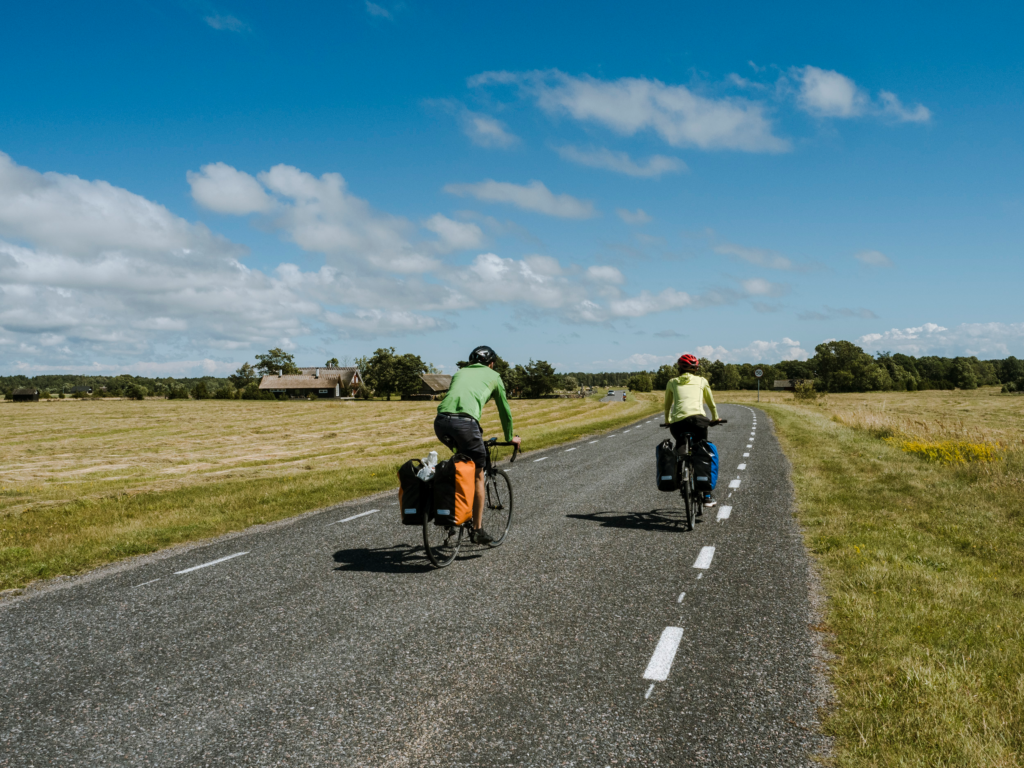
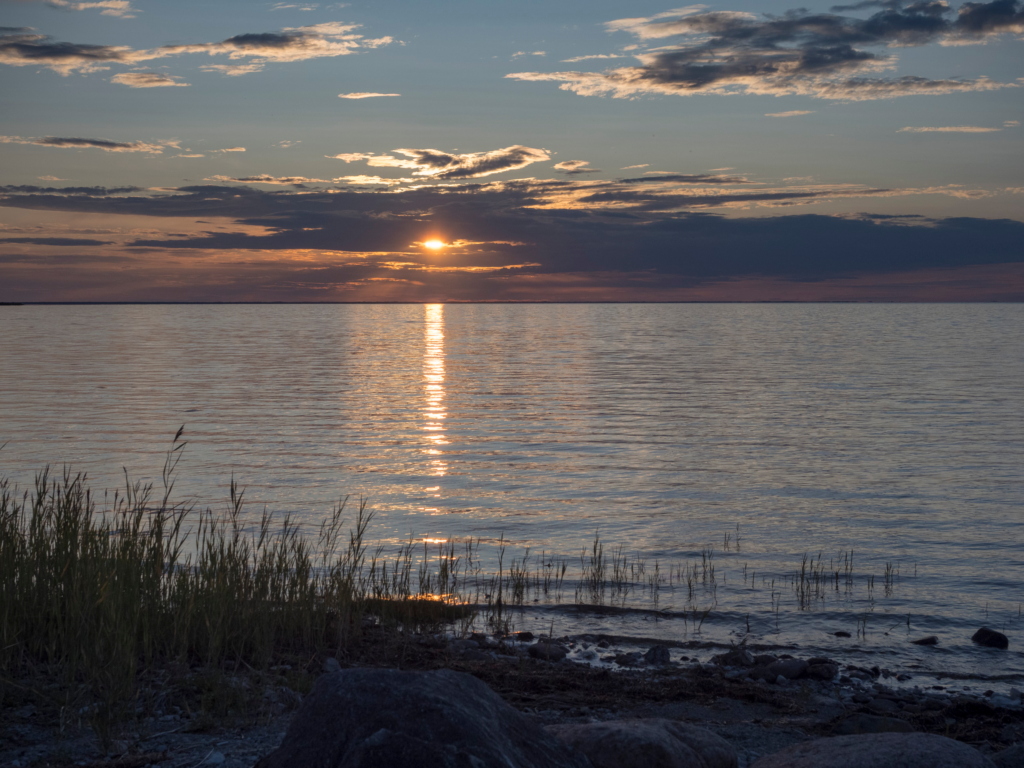
Estonia is a perfect cycling destination, especially in June and July, when you can experience the white nights – the sky doesn’t really get pitch black and the days are very long, so you can cycle almost until 11 pm.
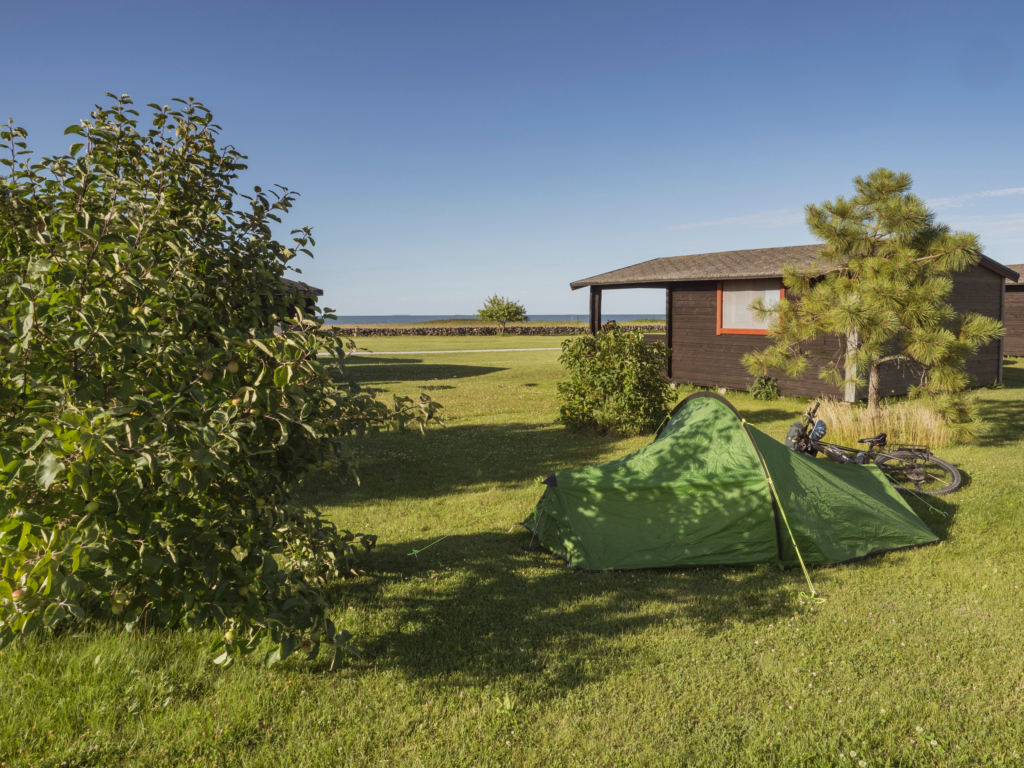
Another thing I loved about cycling in Estonia is the official wild camping spots. Often equipped with a privy, fireplace, and other basic amenities, they make sleeping in your tent very convenient and easy, even for people who aren’t used to wild camping.
For whom? For beginner cyclists, families with kids, seniors, and everyone who wants a relaxing, quiet, and green tour.
Alpine Passes in Switzerland
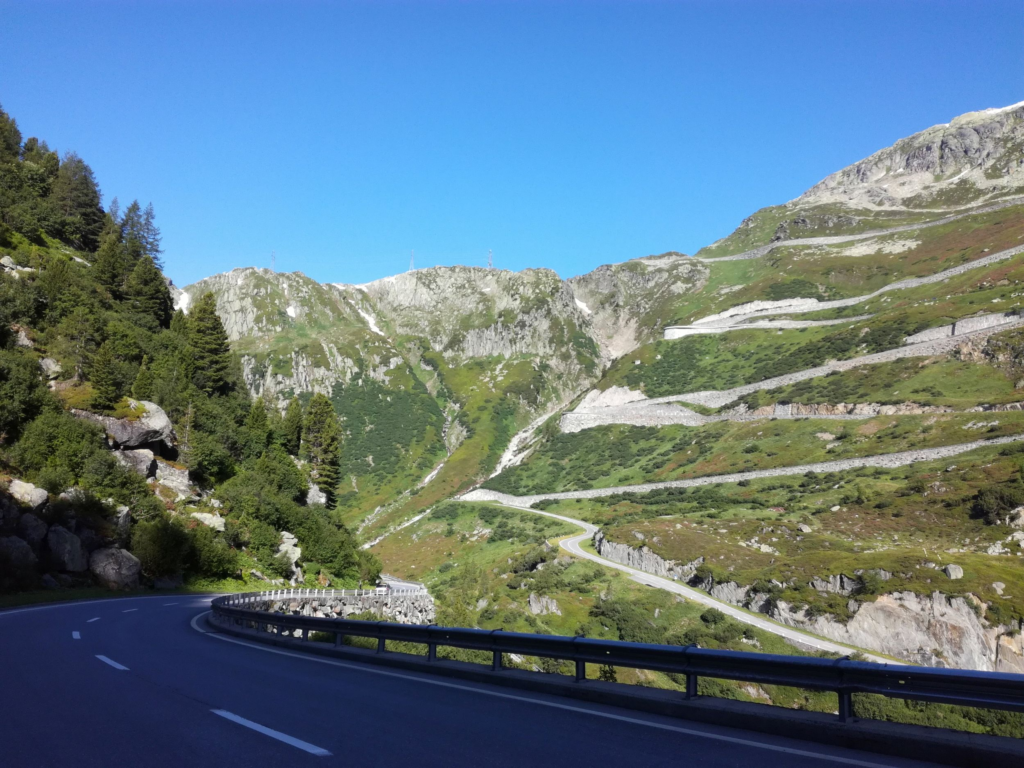
To escape from the heat, you have two options: cycle as far north as possible or cycle as high in the mountains as possible. For the latter, Switzerland and its famous passes are the perfect place. The hilliest country in Europe has a lot of roads that climb above 2000 m a.s.l., and if you paid attention in your geography class, you’ll know that at that altitude, the temperature will be about 12 degrees Celsius lower than at sea level.
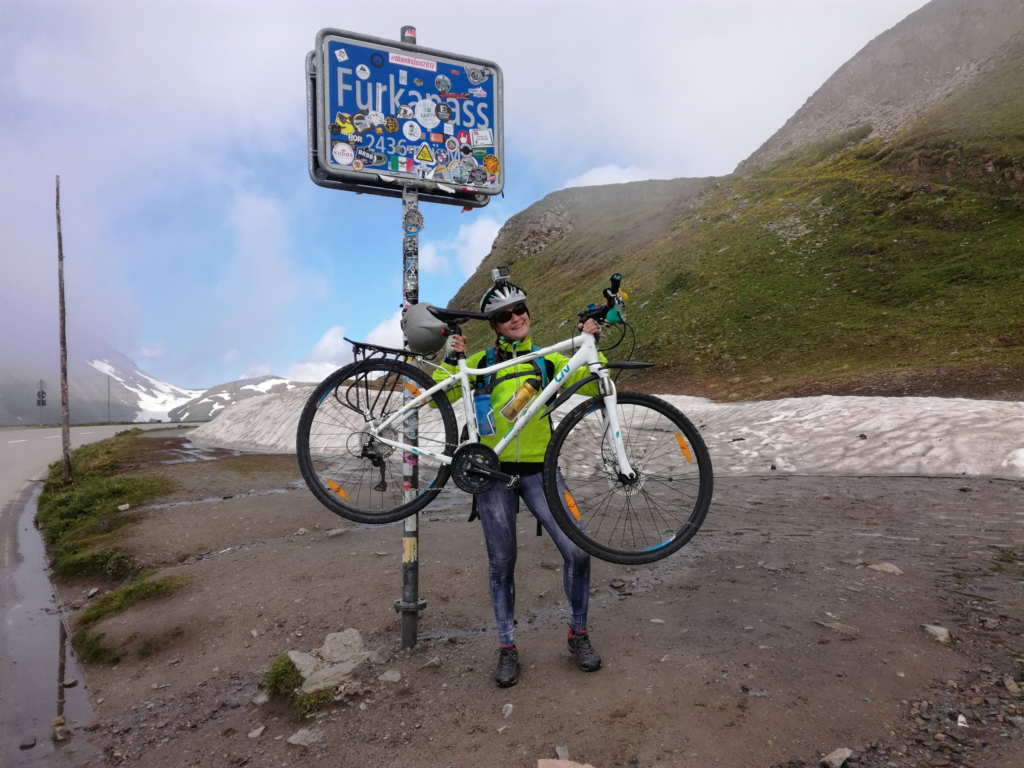
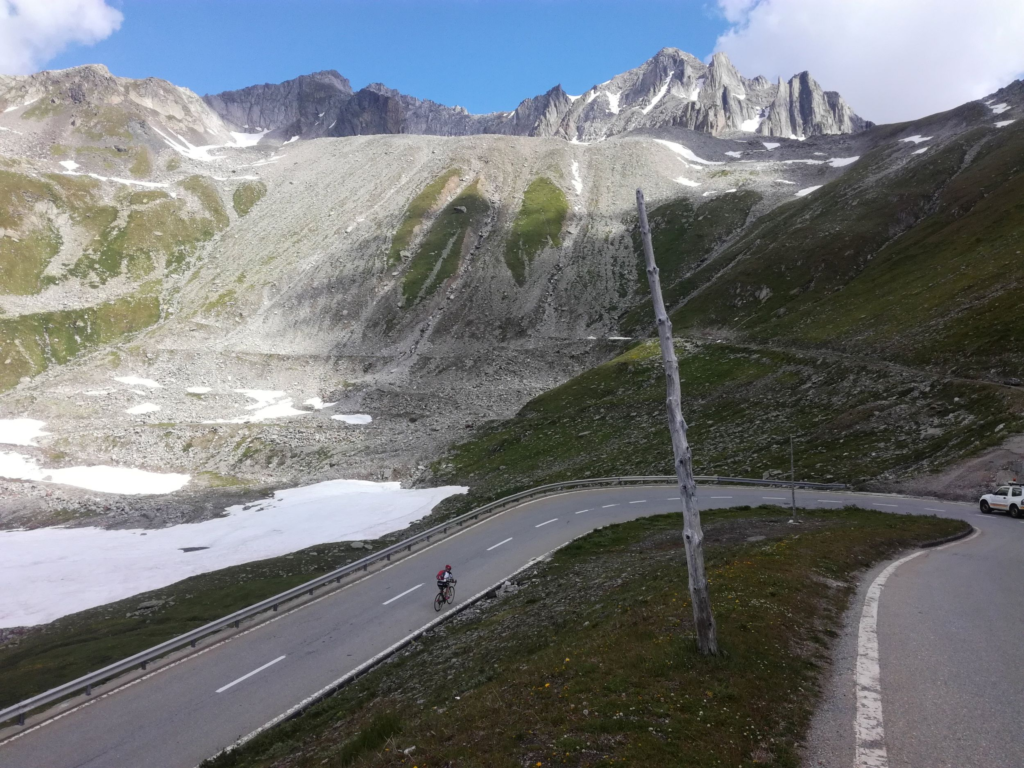
A perfect route for true climbers is the Three Passes Crcuit. The Furka-Nufenen-Gotthard loop is only 105 km long, but with over 3200 meters of elevation gain, it’s a real challenge for your quads. The traffic on the route can be pretty heavy during the summer, so it’s better to start your climb early in the morning.
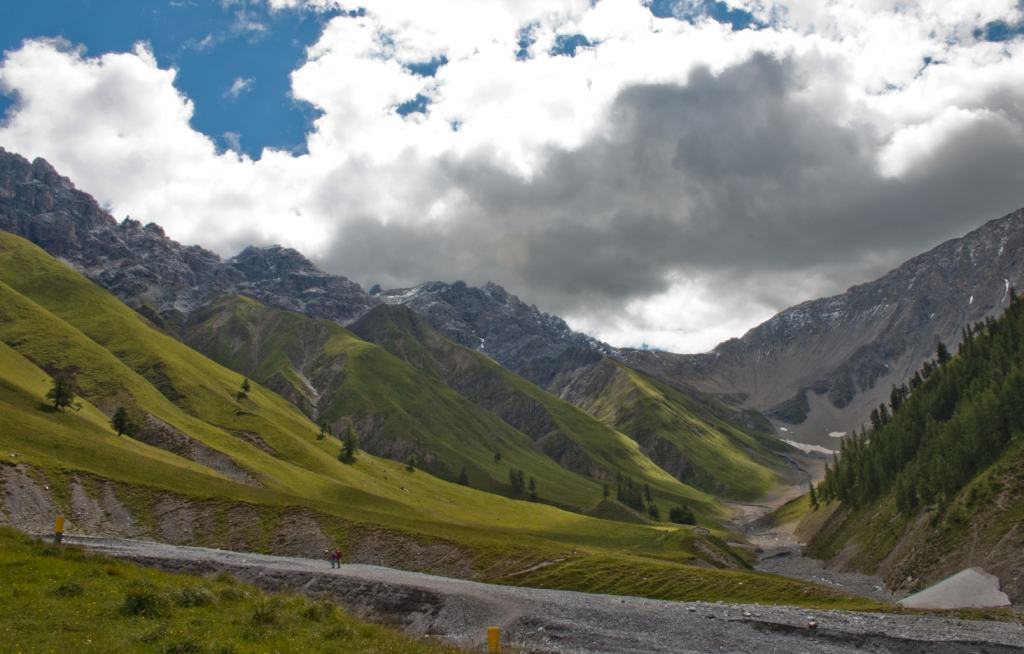
If you’re looking for something more off-road and adventurous, the Marmot Land bikepacking route is an amazing way to explore the Swiss National Park, where you’ll find idyllic alpine meadows, unique architecture of villages in the Engadin Valley, and plenty of marmots.
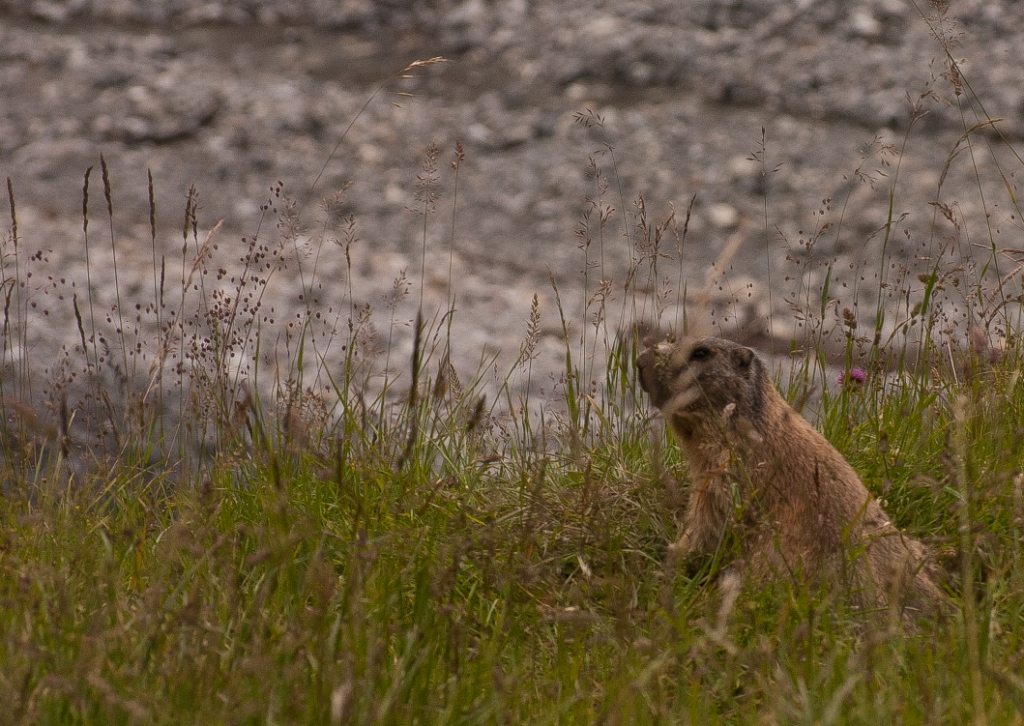
The loop is 274 km long, with mostly gravel roads and singletracks, so you should plan at least 5-6 days to complete it. Along the way, you’ll climb six big mountain passes that are above 2000 meters, and you can expect some chilly mornings and ultra-fresh mountain air.
 English
  Polski